



You deal with big problems when working with strong chemicals. A ptfe lined butterfly valve protects you better than other valves. It can handle harsh fluids that break normal valves. You get a tight seal, so nothing leaks out. This keeps your work safe and stops shutdowns. The valve lasts a long time, so you do not need to replace it often. This helps you save money on repairs. Places that use PTFE lining save more money over time. The valve works well and is a smart choice for tough jobs with chemicals.
Key Takeaways
-
PTFE lined butterfly valves protect well against strong chemicals. They stop leaks and keep away rust. The PTFE surface does not let things stick to it. This makes cleaning faster and easier. It helps keep the system clean and saves you time and supplies. These valves can handle very hot or cold temperatures. So, they work in many different factories. Picking PTFE lined valves can lower repair costs. They also last longer, so you get more for your money. Checking and taking care of PTFE lined butterfly valves is important. This helps them work well and last a long time.
PTFE Lined Butterfly Valve Construction
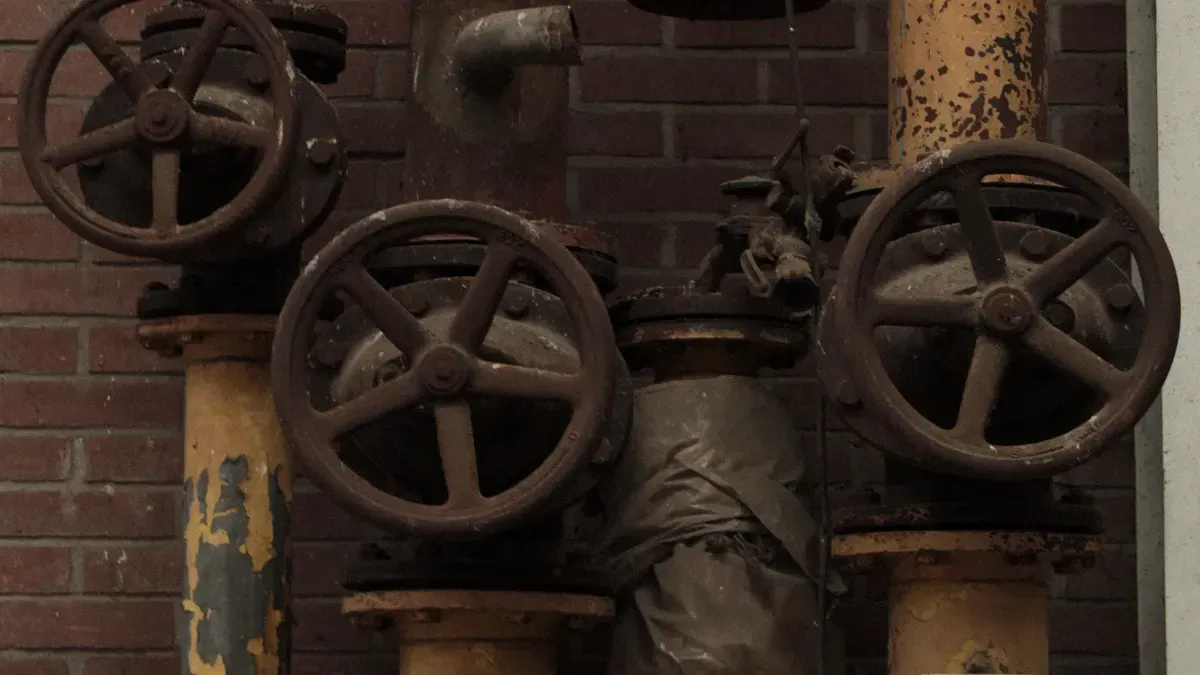
PTFE Lining and Valve Design
A ptfe lined butterfly valve is made for hard jobs. TANGGONG VALVE uses careful steps to make each valve. They follow strict rules and check quality at every step. Each valve gets important certifications like ISO 9001:2015, CE, TUV, SGS, API 6D, and API 607. These rules help make sure the valve is safe and works well.
The PTFE lining is the most important part. It covers all inside parts that touch the fluid. This lining acts like a shield. It stops strong chemicals from hurting the metal. This helps stop rust and holes that can ruin other valves. The smooth surface keeps stuff from sticking, so you clean less. You get a valve that lasts longer and works better.
Here are the main things that make these valves special:
|
Feature |
Description |
|---|---|
|
Exceptional Chemical Resistance |
Stops damage from strong chemicals and helps the valve last longer. |
|
Non-Stick Surface |
Keeps things from building up, so you do not need to clean as much. |
|
High-Temperature Tolerance |
Lets the valve work in very hot places without breaking. |
|
Durable Design |
Makes the valve safe and helps it last a long time, even in tough places. |
Isolation from Corrosive Media
You need full safety when working with strong chemicals. Fully lined valves from TANGGONG VALVE keep all inside parts safe from harsh fluids. The PTFE lining covers every part that touches the fluid. No liquid ever touches the metal. This keeps your system safe and helps everything run well.
-
PTFE lined butterfly valves block all harmful chemicals.
-
You do not have leaks or breaks, even with tough fluids.
-
The smooth design keeps the valve strong in hard places.
Tip: Pick fully lined valves if you need strong chemical safety and want your valve to last. You will have fewer problems and spend less on repairs.
A ptfe lined butterfly valve gives you safety, trust, and value for a long time. TANGGONG VALVE gives you the protection you need for any tough job.
Maximizing Corrosion Resistance with PTFE Lined Butterfly Valves
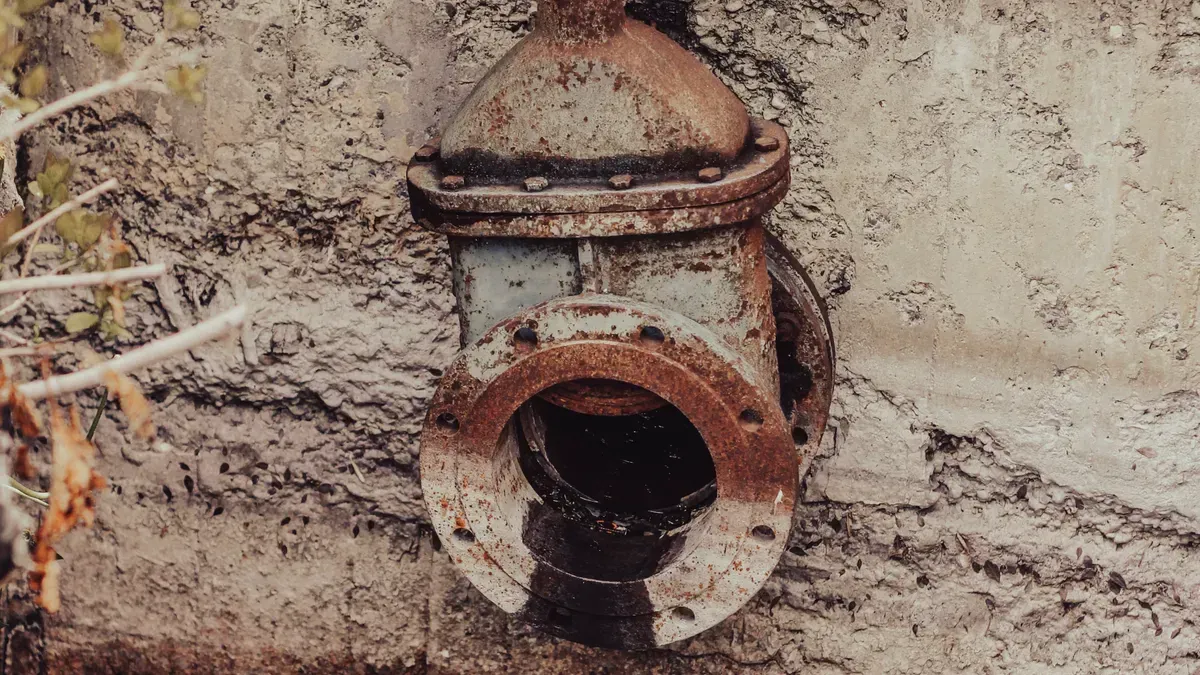
Chemical Inertness and Performance
You need strong protection when working with harsh chemicals. PTFE lined butterfly valves give you this shield. PTFE is special because of its strong structure. The carbon-fluorine bonds are very tough. Fluorine atoms cover the carbon and stop chemical attacks. This means the valve does not react with acids or bases. PTFE stays stable even with strong fluids. The lining does not break down, so you avoid leaks. You always get a tight seal.
-
PTFE almost never reacts with harsh chemicals.
-
Strong acids and bases do not harm PTFE much.
-
The lining stays strong unless it meets rare, very strong agents.
You can trust PTFE lined butterfly valves for many years. PTFE does not wear out like rubber seals. You avoid leaks and keep your system safe. TANGGONG VALVE uses PTFE to keep the fluid away from the valve body. This design helps the valve fight corrosion and stay strong for a long time.
You can relax knowing your valve will work in tough jobs. PTFE lined butterfly valves give you the tight seal you need.
Temperature and Pressure Stability
Many jobs have high temperatures and pressures. PTFE lined butterfly valves can handle these tough conditions. The PTFE lining works from -200°C up to 260°C. You get great corrosion resistance in this wide range. The valve keeps its tight seal even when things change.
|
Lining Material |
Temperature Range |
Chemical Resistance |
|---|---|---|
|
PTFE |
-200°C to 260°C |
Excellent |
|
Rubber (EPDM) |
-40°C to 150°C |
Good |
|
Metal |
-200°C to 800°C |
Variable |
|
PFA |
-200°C to 260°C |
Excellent |
PTFE is one of the best plastics for corrosion resistance. It is better than rubber for both heat and chemical safety. You avoid leaks and keep your process safe. TANGGONG VALVE’s PTFE lined butterfly valve stands up to pressure and heat, so you do not worry about problems.
Pick PTFE lined butterfly valves if your job has changing heat or pressure. You get strong protection and a tight seal every time.
Non-Stick and Contamination Prevention
You want your system clean and easy to care for. PTFE’s non-stick surface helps you do this. Water and other liquids roll off the surface. You do not get buildup or contamination. PTFE lined butterfly valves keep your process clean and safe.
-
The non-stick surface stops things from sticking.
-
You clean less because stuff does not build up.
-
You avoid contamination in later steps.
You get corrosion resistance and cleanliness together. PTFE lined butterfly valves meet strict rules like ISO 9001:2015, CE, and API 607. These show the valve can stop leaks and keep things clean. You get a tight seal that keeps your process pure.
|
Certification/Standard |
Description |
|---|---|
|
Fire-Safe Certified |
Meets API 607/609 fire-safe standards for hydrocarbon processing industry. |
|
ISO 9001:2015 |
International standard for quality management systems. |
|
CE |
Health, safety, and environmental protection standards. |
|
API607 |
Fire-safe valves for hydrocarbon industry. |
You save money and time with PTFE lined butterfly valves. You get long-lasting use, fewer repairs, and a tight seal that protects your process.
Every PTFE lined butterfly valve from TANGGONG VALVE gives you strong corrosion resistance. You get chemical safety, heat and pressure stability, and a non-stick surface. You avoid leaks and get a seal that lasts. Make the smart choice and trust TANGGONG VALVE for the best corrosion resistance.
Comparing PTFE Lined Butterfly Valves to Other Valve Types
PTFE vs. Metal and Elastomer Linings
You want your chemical system to stay safe. PTFE lined butterfly valves give strong protection from harsh chemicals. PTFE does not soak up chemicals. Elastomers like EPDM and FKM can swell and crack in tough fluids. Metals like stainless steel can get holes and rust in strong acids. PTFE keeps the valve safe and stops damage.
-
PTFE is chemically inert. It does not react with acids or bases.
-
Elastomers break down fast in harsh chemicals. You see cracks and blisters.
-
PTFE stays strong at high temperatures. Elastomers cannot handle hot jobs.
-
PTFE lined butterfly valves keep the metal body away from harmful fluids. Metal valves can break when they touch strong chemicals.
You save money and time because PTFE lasts longer. You do not need to replace or fix it often. PTFE lined butterfly valves from TANGGONG VALVE meet strict rules like ISO 9001:2015 and API 607. You get good performance in chemical processing.
|
Valve Type |
Unit Price Comparison |
Total Cost of Ownership (TCO) |
Service Intervals |
Replacement Frequency |
|---|---|---|---|---|
|
PTFE Lined Butterfly Valves |
Cheaper |
Stronger TCO performance for aggressive media |
Normal |
Fewer replacements |
|
Metal Seated Valves |
Higher |
Reduced TCO due to longer service intervals |
High cycle/high temp |
More frequent replacements |
Tip: Pick PTFE lined butterfly valves for chemical jobs. You get better safety and lower costs.
Butterfly Valves vs. Ball and Gate Valves
You need to choose the right valve for your job. Butterfly valves have many good points over ball and gate valves. They are light and easy to put in. Butterfly valves fit well in big pipes and save space. Ball valves seal tightly and stop leaks. Gate valves work with high pressure but are heavy and hard to fix.
|
Feature |
Ball Valves |
Butterfly Valves |
|---|---|---|
|
Sealing Capability |
Superior sealing, ideal for zero leakage |
Tends to leak slightly more at high pressures |
|
Flow Control |
Excellent for precise flow control |
Performance restrictions at minimal/max openings |
|
Pressure & Temperature Tolerance |
Higher tolerance for pressure and temperature |
Generally lower ratings, suitable for lower pressures |
Butterfly valves open and close fast. You only turn the handle a little to use them. Ball and gate valves need more space and time to work. Butterfly valves with PTFE lining protect you from corrosion in chemical jobs. You keep your system safe and running well.
Note: For most chemical jobs, butterfly valves with PTFE lining give you the best mix of safety, speed, and savings.
Maintenance and Operational Efficiency
You want a valve that is easy to care for and keeps things safe. PTFE lined butterfly valves need little maintenance. You do not spend much time fixing leaks or cleaning. PTFE’s non-stick surface keeps the valve clean. You avoid shutdowns and keep your chemical process working.
|
Valve Type |
Maintenance Frequency |
Corrosion Resistance |
Remarks |
|---|---|---|---|
|
PTFE Lined Butterfly Valves |
Low |
Excellent |
Suitable for limited access applications |
|
Standard Rubber-Seated Valves |
High |
Moderate |
Prone to aging and leakage in corrosive environments |
-
PTFE lined butterfly valves fight corrosion.
-
They work in hot and cold places.
-
The non-stick surface keeps the valve clean.
-
You need fewer repairs and replacements.
-
You make your system work better and stop shutdowns.
TANGGONG VALVE makes PTFE lined butterfly valves for hard chemical jobs. You get strong safety, easy care, and good performance. You make a smart choice for your business.
Tip: Pick PTFE lined butterfly valves for chemical jobs. You get long-lasting safety and save money on care.
Applications of PTFE Lined Butterfly Valves in Corrosive Environments
Industrial Use Cases
You need strong valves for jobs with harsh chemicals. TANGGONG VALVE has many years of experience. You can trust these valves to stop leaks and fight corrosion in many places.
-
Chemical plants use them for acids and strong liquids.
-
The semiconductor industry uses them for pure water and clean jobs.
-
Water plants use them for cleaning chemicals and pH control.
-
Pharmaceutical and biotech companies use them for gases and clean steam. This stops fluids from getting dirty.
-
Food and drink factories use them for clean fluids and cleaning agents. This keeps fluids safe and clean.
-
Mining uses them for tough liquids and harsh slurries.
-
Steel plants use them for cleaning lines and treating surfaces.
-
Oil, gas, and petrochemical plants use them for strong liquids and gases.
These valves last a long time and work well with harsh chemicals. They keep fluids apart and stop leaks, even in hard jobs. TANGGONG VALVE has many types, so you can find the right one for your needs.
Maintenance Tips and Best Practices
You want your valves to last and keep things safe. Follow these tips to help your valves work better:
-
Put grease on the stem and moving parts to keep them smooth.
-
Pick valves with special coatings or materials to stop rust.
-
If a valve is not used, leave it a little open and turn the disc sometimes. This stops it from sticking.
-
Test for leaks or pressure every 6 to 12 months. Change seals if they look old or bent.
-
Check PTFE seals for damage to keep leaks away.
-
Make sure the valve fits your chemical, heat, and pressure needs before you put it in.
-
Choose the right size and way to open the valve for your system.
Doing these things helps stop fluids from getting dirty and keeps your system working well. Your valves will last longer and keep leaks away. TANGGONG VALVE works hard to give you good quality and new ideas, so you can trust their valves in every job.
You want your system to be safe from harm. PTFE lined butterfly valves protect against rust and leaks. They last a long time and work well. Many top companies use these valves because they trust them.
|
Client Name |
Position |
Feedback |
|---|---|---|
|
Sanjay Sharma |
Plant Engineer |
Very happy with how the valve stops rust and lasts long. |
|
Neha Joshi |
Procurement Officer |
The products work well and the help is great. |
|
Vikram Desai |
Operations Manager |
The valves are always good and work strong. |
TANGGONG VALVE gives you help and makes special valves for hard jobs.
|
Service Type |
Description |
|---|---|
|
Expert Advice |
Help with picking the right valve for tough chemicals. |
|
Customized Solutions |
Special valves made just for what you need. |
Pick TANGGONG VALVE if you want to feel safe and get good results.
FAQ
What makes PTFE lined butterfly valves ideal for corrosive environments?
PTFE lined butterfly valves are great for tough chemicals. The PTFE lining protects the valve from acids and bases. This stops leaks and rust. Your system stays safe and works well.
How often should you inspect PTFE lined butterfly valves?
Check your valves every 6 to 12 months. Look for any damage or signs of wear. Checking often helps stop leaks and makes the valve last longer.
Can you use PTFE lined butterfly valves for high-temperature applications?
Yes, you can use them in hot or cold jobs. PTFE lined butterfly valves work from -200°C to 260°C. They give strong results in many temperatures.
Why choose TANGGONG VALVE for PTFE lined butterfly valves?
You get good quality and expert help. TANGGONG VALVE gives you valves that last and save money. You can trust them because they are a top company with good results.