



An angle control valve is a device that controls flow. Its inlet and outlet ports are at 90 degrees. You use it to control flow and pressure in pipes. Unlike a regular shut-off angle valve under your sink, which only opens or closes, this valve can adjust the flow. How does this L-shaped design allow fine control? What happens inside when you turn the handle or actuator?
The market for these valves reached USD 1.2 billion in 2024. Experts predict it will reach USD 1.99 billion by 2033, growing at 6.5% CAGR. This article explains the inner workings, types, materials, and uses in simple words. You will learn how this valve controls water and other fluids well.
Key Takeaways
-
An angle control valve has a 90-degree body that saves space and lowers stress on the pipes.
-
Unlike a shut-off valve, it can keep changing the flow to control pressure or temperature very exactly.
-
The plug and seat move in a straight line, making the opening size change a little.
-
Use an angle globe valve for precise flow control and an angle ball valve for fast shutoff with some control.
-
Choose valve body and trim materials that fit your fluid type, pressure, and temperature so the valve lasts longer and doesn’t fail early.
-
Use an angle valve when pressure drops are high, fluids are abrasive, or liquids are thick, to cut down wear and boost flow.
-
Always check the valve's flow coefficient (Cv) so it fits your system needs and works reliably.
What Is an Angle Control Valve?
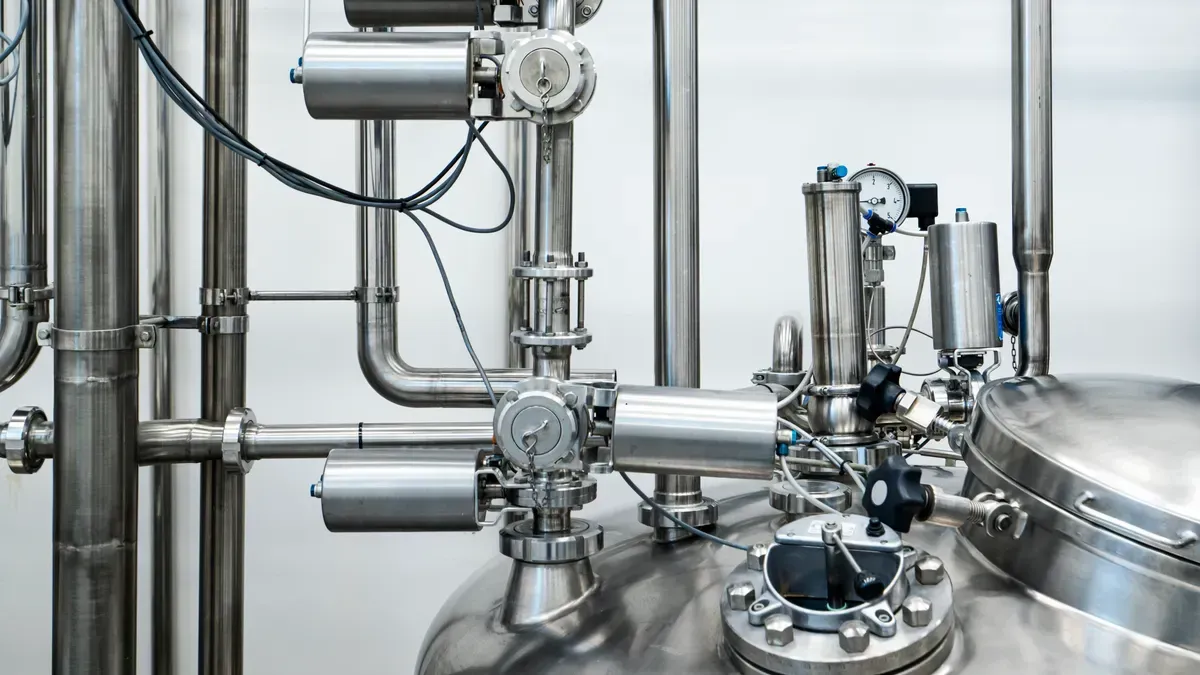
An angle control valve is a special kind of globe valve. Its inlet and outlet ports sit at a 90-degree angle to each other. This design is not accidental. You use it to control flow and pressure in a piping system. An angle control valve works as both a valve and a pipe elbow. This saves space and cuts down on the number of fittings you need.
The 90-Degree Body Design
Inlet and Outlet Orientation
The ISA-75.08.08 standard confirms this exact layout. The outlet sits at a right angle to the inlet. This means flow enters the valve from the top and leaves from the side. This single right-angle turn is important. A straight-through valve, like a gate or ball valve, has very low pressure drop when fully open. But it cannot throttle flow well. An angle valve (globe type) has a moderate to high pressure drop. This is lower than a standard Z-body globe valve. Why? Because the flow only changes direction once. The flow characteristic can be linear or equal-percentage. This depends on the trim selection. You pick the trim based on your system needs.
Space-Saving Benefits in Piping
The 90-degree body design saves a lot of space. By combining the valve and elbow into one piece, you reduce the overall system footprint. You also reduce weight. You remove external fittings. This is a big advantage in tight spaces.
The design also lowers piping stress. Every elbow in a system adds pressure drop. It also creates a stress point. By removing an elbow, you reduce the number of joints. This lowers potential leak points. In steam service, the angle pattern helps remove condensate. This reduces thermal and mechanical stress. The ISA-75.08.08 standard confirms this setup. It makes integration into piping systems easier. You need fewer custom fittings. This reduces field adjustments.
In some systems, angle-style or specially configured bodies are used to reduce turbulence, manage flashing or fit installation limits.
This standard setup leads to a more compact footprint. It reduces piping complexity.
Control Valve vs. Shut-Off Valve
Throttling vs. On/Off Function
It is important to tell the difference between a control valve and a shut-off valve. A standard angle stop valve is for isolation. You use it to stop flow completely. It provides full open or full closed control. You use it for safety isolation or maintenance. It is not made for precise control.
A control valve is different. It changes flow continuously. It holds a process setpoint. This setpoint could be a pressure, level, or temperature. The control valve offers precise mid-stroke positioning. It uses a feedback loop. Key performance metrics for a control valve are rangeability, deadband, and hysteresis. For a shut-off valve, the key metrics are speed and tight shutoff. The angle stop valve is not accurate enough to stop at intermediate positions. The control valve can adjust flow by tiny amounts. It provides excellent modulation capability.
|
Modulation Aspect |
Control Valve |
Shut-off Valve |
|---|---|---|
|
Primary Function |
Continuously varies flow to hold a process setpoint (e.g., pressure, level) |
Provides full open or full closed isolation only |
|
Positioning |
Precise mid-stroke positioning with feedback loop |
Hard stop at open/closed; no mid-stroke accuracy |
|
Key Performance Metrics |
Rangeability, deadband, hysteresis, response time |
Speed, tight shutoff, leakage class |
|
Application Suitability |
Regulating process variables (steam temp, reactor feed) |
Safety isolation, maintenance, batch start/stop |
Actuator Compatibility for Automation
The hardware for each type of valve is different. A control valve uses an analog control signal. This is usually 4-20mA or 0-10V. It uses a smart positioner as an actuation accessory. Its movement profile is variable and smooth. It can adjust flow by tiny amounts. A shut-off valve uses a discrete on/off signal. It uses a solenoid valve. Its movement profile is fast and fixed.
|
Feature |
Control Valve (Regulation) |
Shut-off Valve (Isolation) |
|---|---|---|
|
Control Signal |
Analog (4-20mA / 0-10V) |
Discrete (On/Off) |
|
Actuation Accessory |
Smart Positioner |
Solenoid Valve |
|
Movement Profile |
Variable / Smooth Speed |
Fast / Fixed Speed |
|
Precision |
Can adjust flow by tiny amounts (0.5%) |
Not accurate enough to stop at intermediate positions (e.g., 45°) |
Imagine you need to control the temperature of water in a heat exchanger. You need a control valve. You need to modulate the flow. The angle control valve is perfect for this. It handles high-pressure drops well. It is robust. It is suitable for severe service applications like blowdown and drain services. It handles flashing and cavitation better than other designs. The angle pattern is excellent for high-pressure liquid services.
How Does an Angle Control Valve Work?
Core Components: Seat, Stem, and Plug
An angle control valve has three main parts. The seat is a fixed ring inside the body. The stem is a rod that moves up and down. The plug is attached to the end of the stem. Together, these parts make an opening that can change size. When you turn the actuator or handle, the stem moves. The plug moves closer to or farther from the seat. This changes the size of the opening. A larger opening lets more fluid flow through. A smaller opening blocks some of the flow. This simple motion gives you exact control over the fluid passing through.
Linear Motion for Precise Throttling
The stem moves in a straight line. This straight-line motion is what makes the valve so accurate. You can set the plug at any position from fully open to fully closed. This lets you make small changes. You might need to cut the flow by only 5 percent. The linear design allows you to do that. A quarter-turn valve, like a ball valve, cannot be this precise. The distance between the plug and the seat sets the flow rate. This distance is called the lift. You control the lift with the actuator. The result is smooth, predictable flow control.
The materials of the seat and plug are very important. They must handle the fluid's pressure and temperature. They also need to resist wear and rust. The table below shows common trim materials for different uses.
|
Service Condition |
Recommended Trim Material |
|---|---|
|
Standard / General |
Hardened D2 steel |
|
Sour gas / Corrosive |
316 stainless steel |
|
Dual protection (erosion corrosion) |
17-4 PH |
|
Severe erosive |
Carbide or zirconia |
You should pick the trim material that fits your specific job. A wrong choice can cause early failure. That costs you time and money.
Flow Path Through the Right-Angle Body
The fluid enters from the top. It then makes one 90-degree turn. It exits out the side. This right-angle path has a big benefit. The fluid does not change direction many times. A standard globe valve forces the fluid through an S-shaped path. This creates more turbulence. The angle design cuts down that turbulence. It also reduces wear on the plug and seat. This makes the valve good for high-pressure drops. The fluid velocity stays more steady. You get a longer life from the internal parts.
Manual vs. Automated Operation
You can operate an angle control valve in two ways. You can use manual controls. Or you can use automated actuators. The choice depends on what you need. Manual operation works for simple systems. Automated operation works for complex processes.
Handles and Levers for Manual Control
A handwheel or lever gives you direct control. You turn the wheel to move the stem. This rotates a threaded shaft. The shaft pushes the stem up or down. Manual operation is simple and low cost. It does not need outside power. It works well for adjustments you make only sometimes. You might use it for a bypass line or a backup valve. But manual control has limits. It is slow. It needs a person to turn it. You cannot control it from far away. You also cannot make very small changes easily. For critical processes, manual operation may not be enough.
Pneumatic, Electric, and Hydraulic Actuators
Automated actuators remove the need for human effort. They respond to control signals. They adjust the valve by themselves. Each type has its own strengths and weaknesses.
|
Actuator Type |
Advantages |
Disadvantages |
|---|---|---|
|
Manual |
Simple and low cost; no external power needed; reliable for infrequent operation; suitable for backup and isolation. |
Not automated; requires human effort; slow operation; not suitable for remote control or precise modulation; may require operator to enter hazardous areas. |
|
Electric |
Precise positioning and high accuracy; easy integration with automation systems; remote control capability; consumes power only during movement; built-in limit and torque switches. |
Limited by duty cycle; frequent starts or continuous modulation can overheat motor; may need special certifications for hazardous locations; purchase price can be high. |
|
Pneumatic |
Fast cycling and durable; fail-safe operation with spring-return; low purchase cost; suitable for hazardous environments (spark-free); high cycle life. |
Requires clean, dry, reliable compressed air; lower efficiency (around 15%); maintenance on air supply system; limited precision for complex motion profiles. |
|
Hydraulic |
High torque and force output; compact size with high power density; fast response; precise positioning; can handle shock loads; failsafe options available. |
High maintenance (fluid condition, seals, filters, leaks); separate hydraulic power unit takes space; lower efficiency (max 45%); temperature sensitivity; risk of oil leaks. |
Pneumatic actuators are common in factories. They use compressed air. They cycle fast and handle tough conditions. Electric actuators offer high precision. They connect easily to digital control systems. Hydraulic actuators give the most force. They are good for heavy-duty jobs. You must think about your process needs. Consider what control signal you use. Also consider the environment. A hazardous area may need a spark-free pneumatic unit. A remote location may work better with an electric actuator. Choose the type that fits your system's demands.
Angle Valves vs. Standard Shut-Off Valves
Key Functional Differences
Modulation Capability
The main difference between these two valves is one word: modulation. A standard angle stop valve has only two positions. You can open it all the way or close it completely. You cannot hold it at a specific middle position. The internal design does not allow fine changes. The stem moves a flat disc against a seat. You get a simple seal, nothing more.
An angle control valve works in a different way. Its plug and seat create an opening that can change size. You can place the plug anywhere along its path. This lets you set the flow to 10 percent, 47 percent, or 83 percent of capacity. The valve responds to a control signal. It keeps your process variable at the exact setpoint you choose. This modulation ability makes it a true control instrument, not just a plumbing part.
Pressure Drop Characteristics
Pressure drop tells you how much pressure the fluid loses as it moves through the valve. A standard angle stop valve has a fairly simple flow path. When fully open, it creates very little resistance. But you cannot use it to lower pressure in a controlled way. The disc either blocks the flow completely or lets it pass freely.
An angle control valve handles pressure drops with accuracy. The right-angle body design sends the fluid through one 90-degree turn. This single turn reduces turbulence compared to a straight-through globe valve. The valve absorbs energy from the fluid in a controlled way. You can drop pressure from 40 bar to atmospheric pressure without harming the internal parts. The trim design manages the energy release smoothly.
When to Choose an Angle Control Valve
High-Pressure Drop Applications
You should pick an angle control valve when your system has a high-pressure drop. These valves work well in severe service conditions. They handle flashing and cavitation better than other designs. The right-angle body directs the fluid away from the seat area. This reduces erosion damage.
Angle valves give excellent control of liquid services in high-pressure applications. Manufacturers design them with cage-style construction, expanded outlet connections, restricted trim, or outlet liners. These features reduce erosion, flashing, or cavitation damage. The expanded outlet slows the fluid velocity. The restricted trim controls the pressure reduction. The outlet liner protects the valve body from abrasive particles.
Think about a real example. You need condensate control with a 40 bar pressure drop. The fluid flashes as it passes through the valve. The recommended solution is an angle valve with equal percentage trim. You should specify A217 WC9 material for the body. This combination handles the flashing state without early failure.
Abrasive or Viscous Fluids
Angle valves are perfect for applications with high-pressure drops, possible solid buildup, or extreme fluid velocity. The straight-through flow path reduces dead zones. Solids do not settle inside the body. This makes the valve good for slurries and dirty fluids.
Viscous fluids also flow better through an angle valve. The single 90-degree turn creates less resistance than the S-shaped path of a standard globe valve. You get smoother flow and less pressure loss. The valve handles thick oils, polymers, and other high-viscosity media with ease.
For water systems with high mineral content, the angle design reduces scale buildup. The smooth internal surfaces prevent deposits from forming. You spend less time on maintenance and more time on production.
Types of Angle Control Valves
You can pick from several angle control valve designs. Each type fits a certain job. Angle valves come in three main designs: globe, ball, and seat. You also find angle gate units, but they mainly isolate flow, not throttle it. Focus on these three types for exact control.
Angle Globe Control Valve
This type is the top pick for throttling. An angle globe valve uses a plug system. You turn the stem to move the plug near or far from the seat. This design works well for lighter fluids like water and clean liquids. You get great control over the flow rate. You use an angle globe valve for water systems that need exact regulation.
Best for Precise Throttling
An angle-pattern globe control valve gives you the smoothest control. You can change the flow in small steps. The angle-pattern globe control valve handles high-pressure drops well. The angle globe valve reacts well to small signals. The plug moves in a straight line inside the body. This straight motion creates a steady change in the opening size. You can set the unit anywhere from fully open to fully closed. The result is steady control of your process variable. Use this device when you need to keep a setpoint exact.
Linear Flow Characteristics
The flow through an angle globe valve changes in a steady way. The angle globe valve provides linear flow characteristics. The link between plug position and flow rate is almost straight. This makes it simple to tune your control system. You know exactly how much flow you get at each stem position. The single 90-degree turn inside the body cuts down turbulence. The angle globe valve reduces turbulence. This makes the seat and plug last longer. You get dependable performance over many cycles.
Angle Ball Control Design
This type uses a ball with a hole through its middle. You turn the handle a quarter turn to open or close it. Angle ball units offer quick shutoff. You also get fair throttling ability.
Quarter-Turn Operation
An angle ball unit opens and closes with a fast 90-degree turn. This makes it perfect for jobs where you need to stop flow quickly. The ball spins from fully open to fully closed in a split second. You can also stop the ball at middle positions. But the control is not as fine as a globe type. The ball design fits systems where speed matters more than exactness.
Moderate Throttling and On-Off Use
You can use an angle ball unit for both throttling and isolation. The ball port shape sets the flow characteristic. A V-notch ball gives you equal-percentage flow. This allows fair control. For full shutoff, the ball seals tightly against the seat. You get a dependable shutoff with no leakage. This dual role makes it a flexible choice for many systems.
Angle Seat and Diaphragm Variants
These designs use a different inner mechanism. An angle-seat valve uses a piston that lifts off a seat. A diaphragm unit uses a flexible membrane to control flow. Angle valves in seat and diaphragm designs offer light options. Both offer great corrosion resistance. You select an angle-seat valve for corrosive fluids. The angle-seat valve offers light construction.
Corrosion-Resistant Options
You can choose from several materials for angle-seat and diaphragm designs. For acidic and chloride environments, 316L stainless steel works well. It handles temperatures from -10°C to 180°C. For water and steam, 304 stainless steel is a good choice. For strong chemicals, plastic bodies like PVDF resist acids, bases, and organic solvents. PVDF works up to 140°C. PP plastic is a low-cost option for mild chemicals up to 90°C. The seal material also matters. PTFE offers broad chemical resistance from -30°C to 200°C. EPDM works well for steam from -40°C to 150°C. FKM handles oils and solvents from -20°C to 200°C. Silicone suits food and clean steam from -60°C to 180°C.
Lightweight Designs for Large Pipes
Angle-seat and diaphragm designs are lighter than globe types for large pipe sizes. The plastic body cuts weight a lot. You spend less on support structures. The lighter weight also makes setup easier. You can mount these units in tight spots. The simple design lowers maintenance needs. You get a dependable part that lasts a long time.
Materials and Construction
The materials you pick for an angle control valve decide how well it works and how long it lasts. You need to match the body and trim materials to your fluid type, pressure, and temperature. Picking the wrong material causes early failure. You lose time and money on replacements. Choosing good materials gives you long service life and steady control.
Body Materials
Brass and Bronze for Plumbing
Brass and bronze are common picks for home plumbing systems. These materials resist corrosion well. You find them in sink supply lines and radiator heating systems. Brass handles water temperatures up to 200°F without problems. Bronze offers even better resistance to saltwater and harsh fluids. These materials are easy to shape. This keeps production costs low. You get a dependable unit for clean plumbing jobs at a fair price. The body gives a strong base for the internal parts.
Stainless Steel and Cast Iron for Industrial Use
Stainless steel and cast iron handle industrial settings. Stainless steel resists rust and chemical damage. You use it in chemical plants and food processing lines. Grades like 316 and 304 handle tough fluids. Cast iron offers strength at a lower price. You find it in steam systems and cooling water lines. The material absorbs vibration well. It lasts for years in non-corrosive jobs. For high-temperature work, you need stainless steel. Cast iron works for moderate temperatures up to 450°F. Each material gives you a different level of control over process variables.
Trim Materials (Seat and Plug)
The trim includes the seat and plug. These parts control the flow. They face the most wear. You must choose them with care. The trim material affects how well the valve adjusts flow.
Metal-to-Metal Seating for High Temperatures
Metal-to-metal seating handles extreme conditions. The seat and plug are both made of hard metal. This design works for high-temperature steam up to 1000°F. It also resists erosion from fast-moving fluids. The metal surfaces wear in slowly. This creates a good seal over time. You use hardened stainless steel or stellite for the trim. These materials keep their hardness at high temperatures. The valve gives reliable control in severe service jobs. You get precise control even when the fluid is abrasive or hot.
Soft Seating (PTFE, Rubber) for Tight Shut-Off
Soft seating uses PTFE or rubber inserts. These materials bend slightly when pressed against the metal seat. This creates a bubble-tight seal. You get zero leakage when the valve is closed. PTFE resists most chemicals. It works up to 450°F. Rubber seats like EPDM handle water and steam. But they have lower temperature limits. Use soft seating for clean fluids where tight shutoff matters. You cannot use it for abrasive fluids. The soft material wears away quickly. The unit still regulates well for clean jobs.
End Connections
Threaded, Flanged, and Welded Options
Threaded connections are common for small units under 2 inches. You screw them onto pipe threads. Installation is simple. Flanged connections use bolts and gaskets. You can remove the valve for maintenance without cutting pipes. This works for larger sizes. Welded connections provide a permanent joint. You weld the unit directly to the pipe. This removes leak paths. Use welded connections for high-pressure systems above 600 psi. Each connection type gives you a different way to install the valve.
Compression Fittings for Residential Installations
Compression fittings offer quick setup in home plumbing. You slide a nut and ferrule over the pipe. You tighten the nut onto the valve body. The ferrule presses against the pipe. This creates a watertight seal. No soldering or threading is needed. You can install these fittings in tight spaces. They work well for copper, plastic, and stainless steel tubing. The connection stays leak-free under normal pressure conditions. This fitting type makes the valve easy to replace.
Common Applications and Selection Tips
Residential and Commercial Plumbing
Sink and Toilet Supply Lines
Angle control valves show up in many homes and office buildings. They link the main water line to your sink faucet or toilet tank. The 90-degree shape fits well in small spaces behind fixtures. You turn the handle to change water flow to the fixture. This lets you manage water pressure and flow rate for everyday use. The valve also works as a handy shutoff point. You can stop water to one fixture without cutting off the whole house supply. This makes repairs and upkeep much simpler.
Radiator and Baseboard Heating
Heating systems use angle valves to spread heat evenly. You place them at the inlet of each radiator or baseboard unit. The valve controls how much hot water enters each unit. This lets you balance the system. You can send more heat to cold rooms and less to warm ones. The fine throttling ability of the angle control valve makes this possible. A regular shutoff valve cannot make these small changes. You get comfortable, steady temperatures throughout your building.
Industrial Process Control
Chemical and Petrochemical Plants
Chemical plants depend on angle valves for key flow control. The 90-degree flow turn removes extra elbows in the piping. This makes the valve great for flashing fluids and drain services. The design focuses on controllability, repeatability, and safety over speed. You need this reliability when working with corrosive chemicals. In refineries, angle valves throttle steam for distillation columns and heat exchangers. They keep operating conditions stable. In chemical plants, they control steam flow in reactor systems. Exact temperature and pressure control matter for chemical reactions. The valve must work reliably in corrosive settings. You get accurate flow regulation for steady product quality.
Steam and Condensate Systems
Power plants use angle globe valves to control steam supply to turbine blades. Precise control boosts turbine efficiency and guards against overpressure. You also find these valves in boiler feedwater control and other high-pressure, high-temperature jobs. The angle design handles the tough conditions well. It manages the high-pressure drops common in steam systems. The single 90-degree turn reduces wear on internal parts. You get longer service life and fewer maintenance stops.
How to Choose the Right Valve
Match Valve Type to Flow Characteristics
You must match the valve to your flow needs. First, figure out the required flow coefficient, or Cv. Use the formula: Cv = Q / √ΔP. Here, Q is the flow rate in GPM and ΔP is the differential pressure in psi. For water, specific gravity equals 1. Example: you need 10 GPM flow with a 4 psi pressure drop. Find the square root of 4, which is 2. Divide 10 by 2. You get a Cv of 5. Choose the valve closest to this calculated value. An oversized valve causes control issues like hunting or poor heat transfer. An undersized valve cannot provide enough flow.
Consider Actuator Type and Control Signal
Your control system decides the actuator you need. A pneumatic actuator works well in hazardous areas. An electric actuator connects easily to digital systems. Check compatibility with your building or process management system. This allows remote monitoring and control.
Verify Material Compatibility with the Fluid
Check that the valve body and trim materials handle your fluid. Pick proper stainless steel grades like A216 WCC or A351 CF8M for corrosive services. Ensure the valve works on clean, dirty, viscous, or abrasive fluids. Confirm it handles your temperature and pressure ranges. A rugged build withstands upset conditions and harsh environments. This gives you long service life without frequent maintenance.
Always ask a valve specialist or check the manufacturer datasheet to match the valve's flow coefficient to your system's needs.
An angle control valve combines a right-angle body with precise throttling ability. You get space savings and accurate flow regulation in one unit. Unlike a standard shut-off valve, this device modulates flow continuously. The stem, plug, and seat work together to make small adjustments possible.
You must choose the right type and material for your job. Angle valves come in globe and ball designs. Globe types offer finer control. Ball types work for moderate throttling. Match the body material to your fluid, pressure, and temperature needs.
Always consult a valve specialist or manufacturer datasheet. You need to match the valve's flow coefficient to your system's requirements. This step prevents oversizing or undersizing. You get reliable performance and long service life.
FAQ
How does an angle control valve differ from a standard shut-off valve?
A standard shut-off unit only opens or closes fully. An angle control valve adjusts flow to any middle position. You use it for precise regulation of pressure and flow rate.
Can you use this device for on/off service?
Yes, you can use it for on/off service. When fully closed, it stops flow completely. When fully open, it allows maximum flow. A standard shut-off unit costs less if you only need isolation.
What fluids work best with this type?
This type handles water, steam, chemicals, and viscous fluids. The right-angle design reduces erosion. It handles high-pressure drops well. You must match the device material to your specific fluid.
How do you choose between a manual and automated actuator?
Choose a manual actuator for simple systems with infrequent adjustments. Choose an automated actuator for remote control and precise regulation. Pneumatic actuators work well in hazardous areas.
What does Cv mean when selecting a valve?
Cv is the flow coefficient. It tells you how much fluid flows through the valve at a given pressure drop. Match the Cv to your system needs for proper performance.
How do you maintain this device?
Regular maintenance includes checking for leaks. Inspect the seat and plug for wear. Clean the internal parts. Follow the manufacturer's guidelines. Proper care extends service life.