



You often hear liquid engineering words used in place of each other. However, knowing the difference between one-way valve and check valve terms helps you choose the right tools. A basic one way valve describes any simple tool that allows movement in only one direction. Meanwhile, designed mechanical parts automatically stop liquid from flowing backward.
The global check valve market was valued at USD 6.5 billion in 2024.
Liquid pressure opens the inside part whenever incoming pressure goes above a specific cracking pressure. Dropping pressure differences then forces the opening closed. These mechanical actions show major differences during a check valve vs one way valve comparison. High-pressure setups need a strong one-way valve part to shield pumps from damage.
Key Takeaways
-
One-way valves let liquids or gases flow easily forward inside ordinary household items.
-
Industrial check valves automatically stop backward flow inside heavy factory pipes.
-
Liquid pressure pushes the valve disc open when its force becomes greater than the cracking pressure.
-
Fast-closing valves stop sudden water hammer shocks and protect system pipes from damage.
-
Engineers choose special metal parts to handle extremely high and low temperatures.
-
Picking the right valve size keeps liquids flowing easily and helps your equipment last longer.
-
Certified factory check valves meet strict global safety rules for high-pressure systems.
Defining the One Way Valve and Check Valve Concept
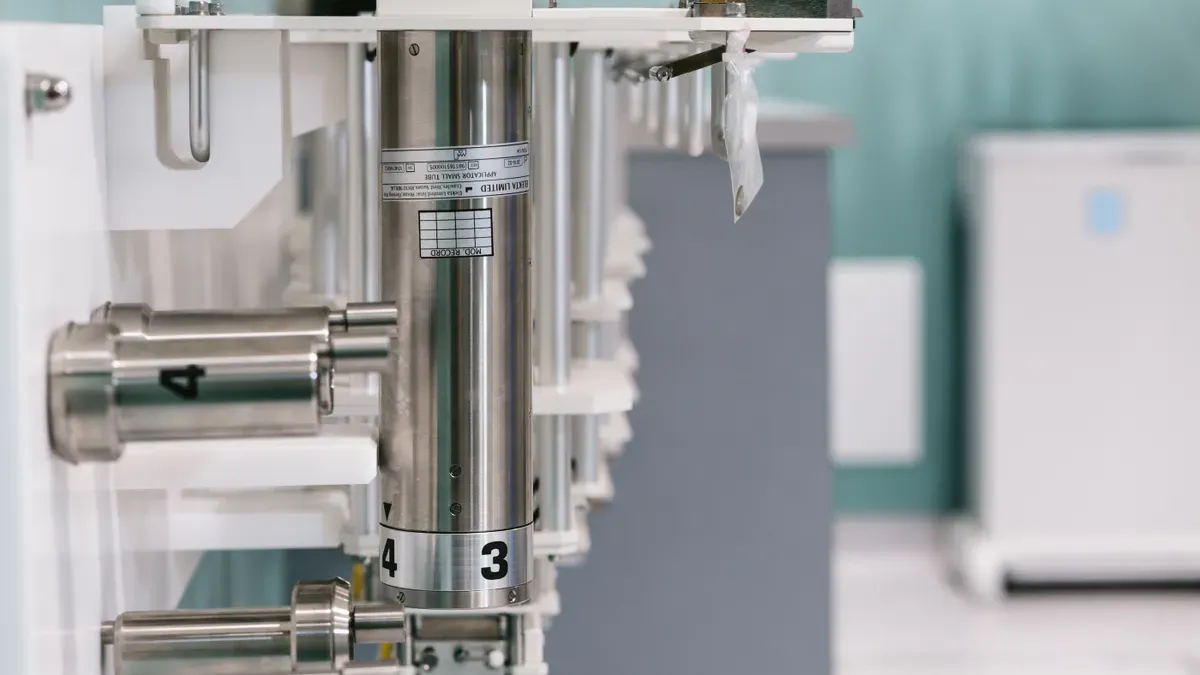
Scope of the Generic One-Way Valve
You can find the term one way valve used across many everyday industries. People use this simple phrase for any tool that lets liquid or air move in only one direction. You see these basic parts in low-pressure home equipment and small devices.
You encounter a generic one-way valve in simple setups that do not face harsh operating stress:
-
Home plumbing systems like sump pumps and hot water heaters
-
Healthcare tools such as standard IV line tubes
-
Kitchen appliances including automatic dishwashers and clothes washers
-
Small leisure boats and land recreational vehicles
-
Home fish tanks and garden water hose lines
Scope of Industrial Check Valve Engineering
An industrial check valve works as an automatic, highly designed machine part. It stops backward flow in key pipes without outside help. Engineers design every heavy-duty backflow prevention valve to handle tough, non-stop factory work.
TANGGONG VALVE has built high-performance factory parts since 1990. You can trust certified products that pass tough global quality tests. TANGGONG VALVE creates strong models following design rules like API 594 and API 6D. These tough products guard heavy machines in oil pipelines, power stations, and chemical factories.
Categorical Hierarchy in Fluid Control
You can grasp the main structural difference when comparing a check valve vs one way valve. The term one-way valve describes a broad job description. The industrial valve means a specific hardware group inside direction control parts. Knowing key differences helps you plan safer liquid pipe layouts.
You can group these machine hardware designs in modern liquid systems by their exact inner closing parts:
-
Ball check valves that use a round ball plug
-
Poppet check valves that use a guided metal disk
-
Swing check valves that use a hanging swing disc
The main difference between one-way valve and check valve names relies on strict build rules. Simple home tools handle easy air or water flow. Industrial check valves hold up against extreme pipe pressures, huge fluid flows, and sharp heat changes. You shield your expensive machinery when you pick the correct mechanical unit for your specific factory setup.
Working Principles of Check Valve and One-Way Systems
A check valve is a valve that normally allows fluid to flow through it in only one direction. Check valves work automatically and most are not controlled by a person or any external control.
Differential Pressure and Cracking Pressure
Pressure Threshold for Valve Opening
You need to learn about cracking pressure to get how a one-way valve works. Cracking pressure means the lowest pressure needed to push the valve open. The coming liquid pushes right against the inner door.
Makers make different spring options to fit what your setup needs:
-
Normal choices give you set levels like 1 psi or 4 psi cracking pressure.
-
Special designs give you custom setups from 1 psi up to 10 psi.
-
Tough lines offer spring settings going from 1/8 PSI all the way to 85 PSI.
Flow Velocity and Dynamic Forces
Moving liquid makes mechanical forces inside your pipe. Faster liquid pushes the inner disk away from the valve seat. Liquid flows through the open path easily as long as it moves forward.
-
Liquid hits the front with high speed and pushes the disk wide open.
-
The disk stays open while the front pressure stays strong.
-
Pressure drops, so the disk glides back to its starting spot.
Backflow Prevention and Sealing Mechanics
Reverse Flow Sealing Action
In a lift-check valve, higher inlet fluid pressure lifts a disc off its seat to allow forward flow. When the forward pressure decreases or stops, gravity or higher downstream pressure causes the disc to fall back onto its seat, automatically shutting to prevent reverse flow. You can use a strong backflow prevention valve to guard your main pumps from big pressure jumps.
|
Valve Seat Type |
Sealing Mechanism & Functional Characteristics |
|---|---|
|
Soft Seat |
Seals up using softer stuff to close tiny gaps, giving you a tight seal in normal setups. |
|
Metal Seat |
Seals up using strong metal touching metal, which works great for hot or scratchy liquids that ruin soft parts. |
Spring-Assisted and Gravity Sealing
Springs push the disk shut right before liquid turns around. Straight vertical pipes often use gravity to drop the disk onto the seat. These two simple forces help you stop backward flow during sudden pump stops.
When looking at a check valve vs one way valve setup, design choices change how fast it closes. Quick closing keeps your pipes safe from dangerous water hammer shocks.
Pressure Drop and Flow Resistance Factors
Inner valve parts cause a little drag against the moving liquid. This small drag makes you lose a tiny bit of pressure between the ends. A wide open swing check valve makes a tiny pressure drop from 0.5 psi to 1.5 psi at full speed.
You can pick a small check valve to keep liquid moving along easily. A lower pressure drop uses less power from your main system pumps. Picking the right one way valve design gives you great power and saves money later.
Key Technical Difference Between One-Way Valve and Check Valve
Comparative Analysis: Check Valve vs One Way Valve
You can easily buy a basic one way valve for minor home plumbing or small plastic water lines. These cheap, simple parts handle easy liquid flow inside basic everyday systems. However, big factory processing sites need tough liquid control parts that handle non-stop working stress without breaking apart. A flimsy home part quickly breaks under sudden pressure spikes.
A strong TANGGONG VALVE check valve offers high body strength for tough factory spaces. Large pipe lines in oil, gas, and power plants use these special units to handle giant fluid forces. Major inner differences include thick metal bodies, tight building limits, and auto-shutting parts that stop terrible pipe breaks.
Pressure Ratings and Industrial Standards
You often find a cheap home one-way valve inside basic household machines. A simple one-way valve misses the strong outer shell that factory pipes always need. By comparison, plant systems need strict pressure ratings built right to ASME B16.34 rules. TANGGONG VALVE builds big units that handle Class 150 up to Class 2500 pressure levels.
Global standard rules like API 6D and API 594 set strict build needs for pipe valves to keep high-pressure work safe.
You must check important safety certification differences when picking fluid parts for major systems. TANGGONG VALVE holds global quality badges including ISO 9001:2015, CE, TUV, and SGS. Building shops also check every item using API 598 testing rules to guarantee solid pressure hold before site setup.
Structural Precision and Material Seating
Picked materials show how well a check valve handles harsh liquid heat and tough chemical contact. Simple store units use soft rubber seals for basic water heat. In contrast, TANGGONG VALVE builds tough plant units that work in extreme heat ranges from -196°C to 600°C. Designers pick special metals to stop seal wear over long periods.
|
Seating Material Type |
Operating Temperature Bounds & Features |
|---|---|
|
Metal-to-metal hard-faced seats |
Tough metal seats work great for important high-heat tasks above 399°C. |
|
Hastelloy C276 |
Strong Hastelloy C276 easily handles big heat swings from -196°C to 538°C. |
You should learn the basic difference between one-way valve and check valve seat setups. Heavy factory builds use hard metal seats alongside strong alloy plates. This careful design lets an industrial check valve block backflow during wild heat shifts. Comparing a check valve vs one way valve reveals real safety gaps under high heat. Looking closely at a check valve vs one way valve shows how exact build work guards pumps and big turbines. Picking a TANGGONG VALVE check valve gives you solid, long-term safety in harsh plant spaces.
Mechanical Types of Check Valves
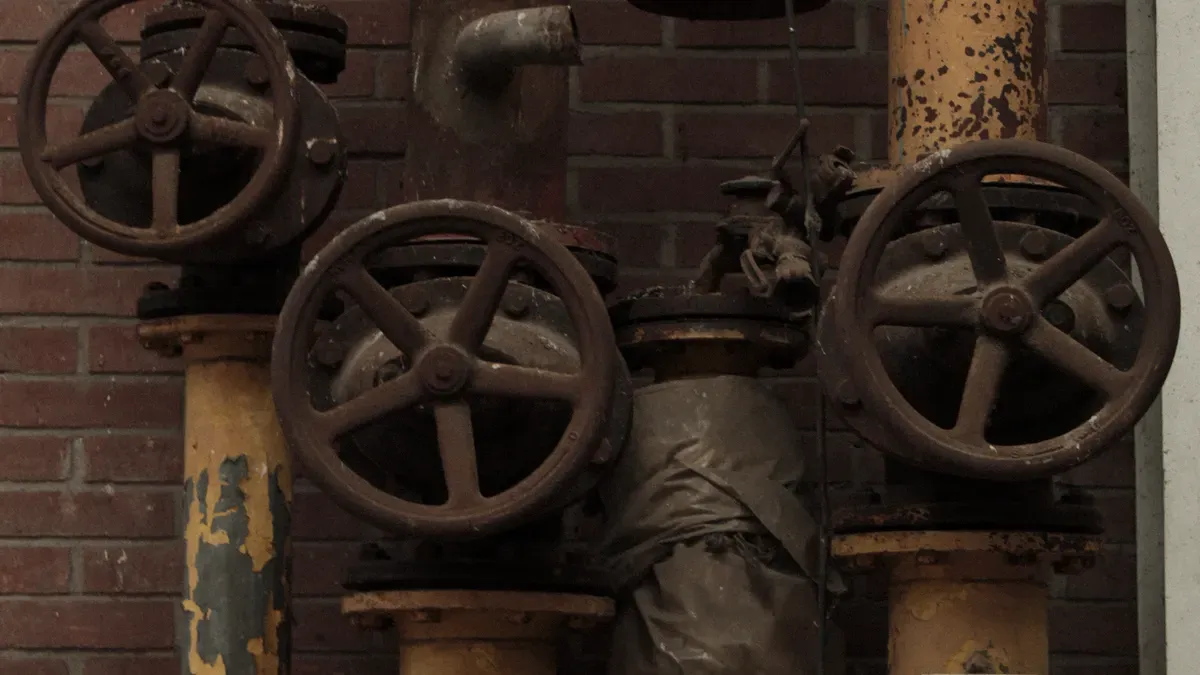
Factories use special designs for different fluid speeds and pressures. You can pick many mechanical types to protect your pipes.
These common options include:
-
Swing Check Valves
-
Tilting Disc Check Valves
-
Ball Check Valves
-
Dual Plate Check Valves
-
Lift Check Valves
-
Silent Check Valves
Swing and Tilting Disc Configurations
You install a swing check valve to get clear paths in big lines. A swinging disc opens on a small pin as fluid moves. This easy action creates a tiny pressure drop across your system. Yet, quick flow changes can slam the disc and shake pipes.
Use a dual-plate unit in fast pump setups: Their short closing path shuts faster than swing models, stopping reverse flow.
Tilting disc types give great safety against sudden water hammer. The disc turns near its middle to shorten the total closing path. This smart design cuts pressure spikes by up to 35 percent. Water plants use these strong units to stop bad line breaks.
Lift and Spring-Loaded Inline Check Valves
A lift check valve uses a guided disc that moves straight up. Flow pressure pushes the disc up, while gravity pushes it down. You can see how these two main designs compare across key areas:
|
Feature |
Swing Check Valve |
Lift Check Valve |
|---|---|---|
|
Core Mechanism |
Disc swings open like a basic door |
Disc lifts straight up off its seat |
|
Flow Path |
Wide and clear open path |
Smaller fluid path |
|
Sealing Performance |
Normal sealing tightness |
High sealing tightness with rubber parts |
|
Pressure Drop |
Very low pressure drop |
Higher pressure drop |
|
Installation |
Made for flat horizontal pipes |
Made for upright vertical pipes |
You need fast fluid to keep a lift valve open. Engineers find this needed speed with the easy formula vmin = C * (1/ρ)^(1/2). Here, vmin means the lowest speed, C is the valve number, and ρ means liquid weight.
Dual Plate Wafer and Piston Check Valves
You save big pipe space by picking a dual plate unit. Two spring plates fold near a center pin during forward flow. This slim body fits between pipe ends and saves lots of room.
Piston valves use a small piston to soften the hard closing stroke. Moving liquid pushes the piston up, and springs push it back down. This smooth movement stops hard shocks during sudden pump stops. You can trust these tough parts in heavy gas systems.
Selection Guide for TANGGONG VALVE Check Valves
Media Compatibility and System Conditions
Always check your liquid and work area before buying any parts. Strong acids need tough metal bodies and special inner coatings. For instance, pipes carrying sulfuric acid usually use Alloy 20 metal or PTFE plastic. Matching liquids with right metals stops rust and keeps tight seals over time.
High-pressure steam systems bring strong forces that demand exact valve choices. Great steam pressure requires certain setups to last through long use:
|
Steam Class |
Recommended Valve Type |
Seat Material |
|---|---|---|
|
600# Steam |
Swing or dual plate valve |
Metal-to-metal with Stellite facing |
|
900# Steam |
Dual plate or nozzle valve |
Metal-to-metal with Stellite facing |
|
1500# Steam |
Nozzle or high-pressure swing valve |
Metal-to-metal with Stellite facing |
Mitigating Water Hammer with Non-Slam Designs
Sudden backflow creates dangerous pressure spikes called water hammer. Rapid reverse liquid slams the disc shut, sending sharp shockwaves through pipes. You can shield your system pumps by choosing smooth non-slam valve models.
Silent check valves close upon the decrease of differential pressure across the closure member rather than closing from reverse flow, which eliminates severe pipe slam.
TANGGONG VALVE makes dual plate wafer check valves with strong inner springs. The short disc path helps the seal close before real backflow starts. This fast spring action cuts shock forces and guards key pipes from wild pressure spikes.
Orientation, Sizing, and Installation Steps
Setting up valves in the right direction keeps parts working smoothly. You must put vertical lift check valves in upward fluid lines only. Placing these units in downward pipes stops proper disc movement and ruins the seal. Check manual guides to confirm allowed mounting angles for your pipe design.
-
Measure pipe size needs, picking models from DN15 up to DN1200 sizes.
-
Keep at least 5 pipe lengths of straight line upstream.
-
Leave a gap of 10 pipe lengths from any pipe bend.
-
Line up the flow arrow on the valve body with liquid movement.
Never pick a valve that is too large for your pipe. Proper sizing helps normal liquid flow hold the inner disc wide open. This steady open spot stops disc shaking and lengthens the life of your backflow prevention valve. TANGGONG VALVE gives technical support to help you match right pressure classes and body sizes.
You now see how these liquid control tools differ. A general one way valve refers to any basic part that permits flow in just one direction. On the other hand, an industrial check valve offers tested safety for strong high-pressure setups. Learning these distinct names helps you pick the right equipment for your system.
Picking the right valve size stops machine damage and cuts costly repair delays. Well-made designs close gently to block dangerous pressure shocks, seal tightly to stop reverse flow, and prevent rough liquid movement that ruins internal parts.
Comparing a check valve vs one way valve proves why exact building quality counts. Reach out to the technical team at TANGGONG VALVE to get custom fluid control options built for your exact project needs.
FAQ
What is the main difference in a check valve vs one way valve comparison?
A basic one-way valve lets fluid move in a single direction. In contrast, an industrial check valve means strong gear built for heavy plant jobs following exact safety rules like API 594 and API 6D.
Can you install a check valve in a vertical pipeline?
Yes, you can place styles like piston and wafer units into upright pipes. However, fluid must travel upward so gravity and backward pressure can help seal the inner opening correctly.
How do non-slam check valves prevent water hammer?
Inner springs snap the disc shut as soon as forward liquid slows down. Fast closing stops fluid from reversing suddenly. This swift auto action prevents noisy pipe bangs and protects your line from severe shockwaves.
What pressure ratings do TANGGONG VALVE check valves support?
TANGGONG VALVE makes plant units that handle pressure needs from Class 150 to Class 2500. These strong products keep gear safe in tough oil, gas, and power house pipe lines.
Which manufacturing certifications guarantee valve quality?
TANGGONG VALVE items carry top global quality marks. These badges include ISO 9001:2015, API 6D, API 594, CE, TUV, and SGS. Workers test every part carefully before sending it out.
What temperature ranges can these valves withstand?
Using chosen metal or tough alloy parts, these units run in extreme hot or cold settings. They work well in places changing from -196°C up to 600°C without breaking down.