



A lift check valve works all by itself. It stops fluid from moving backward. You put this valve in pipe systems. It keeps the fluid going one way. Pressure from below pushes the disc up. A guided piston can also move up. This lets fluid pass through easily. Then, the fluid pressure drops down. Gravity or a spring pushes the disc back. It shuts tight on its seat. This action stops any bad backflow.
These valves protect your important machines. They shield high-pressure steam pipes from damage. They protect pumps and compressors too. They stop sudden back pressure surges. They also block harmful reverse flow. Engineers like to use these valves. Buyers and plant managers pick them often. The valves keep critical systems safe. They stop backflow very well.
Key Takeaways
-
Lift check valves stop backward fluid flow automatically.
-
They work inside industrial pipe systems.
-
Fluid pressure pushes the disc open easily.
-
This allows smooth forward flow.
-
Spring-loaded models close very fast.
-
They stop harmful water hammer waves.
-
Engineers choose specific valve materials.
-
They look at pressure, heat, and fluids.
-
Good setup protects pumps and compressors.
-
It prevents very costly damage.
How Lift Check Valves Work
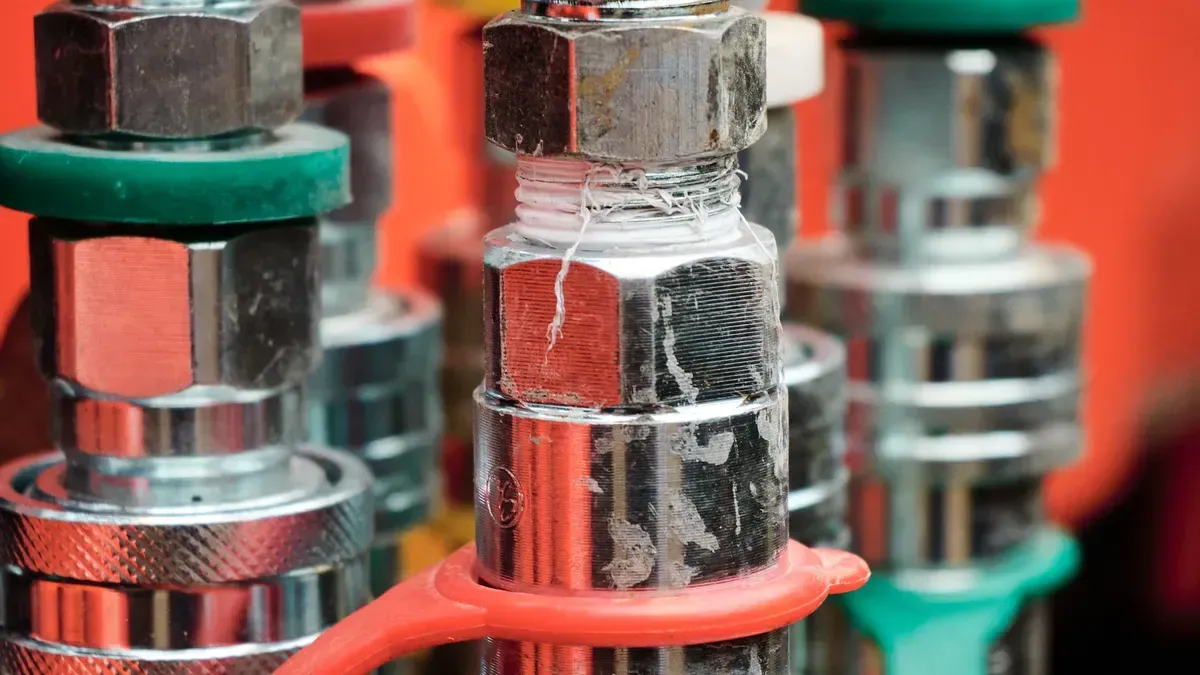
Knowing how lift check valves work helps you. You can design safe piping systems. These devices allow one-way fluid flow. They need no manual control. Fluid pressure drives internal parts up. Parts also move down straight.
Fluid Dynamics and Linear Seating Action
Liquid or gas enters the valve body. It creates strong force inside. This inlet pressure pushes the closure element. Upstream pressure becomes higher than downstream pressure. The fluid pushes the element up. It moves off the valve seat. Fluid then passes through smoothly.
System conditions change when pumps stop. Upstream pressure drops down fast. Moving fluid starts to slow down. Upward force beneath the disc drops. Gravity pulls the heavy disc down. The disc goes to the seat. Reverse line pressure pushes it tight. This seal helps prevent backflow. It shields equipment from real damage.
Role of Cracking Pressure and Flow Velocity
Check valves need minimum pressure to open. Engineers call this the cracking pressure. Pressure must beat spring resistance first. It must also beat internal weight. Lower fluid pressure keeps discs still.
Good media velocity keeps elements raised. This happens during standard operations. Good velocity stops disc floating. It also stops bad line vibrations. Stable movement protects contact surfaces. It prevents early wear on parts. It ensures continuous one-way flow.
Core Internal Components and Seat Mechanics
Inspect key components of lift check valves. This keeps your systems very healthy. The main outer body holds parts. It connects right to pipes. An internal guide stem holds discs. It keeps pistons aligned straight.
Heavy applications use piston check valves. These designs use guided cylinders. Precision sleeves ensure exact positioning. Tight alignment tolerances prevent sticking. They also stop bad seat misalignments.
|
Valve Stem Thickness |
Intake Clearance Range |
Exhaust Clearance Range |
|---|---|---|
|
5 mm - 7 mm |
10 to 40 micrometers |
25 to 55 micrometers |
|
7 mm - 9 mm |
20 to 50 micrometers |
35 to 65 micrometers |
|
9 mm - 12 mm |
40 to 70 micrometers |
55 to 85 micrometers |
A return spring sits above pistons. This spring speeds up valve closure. It stops reverse flow very fast. Fast closure stops destructive shock waves. These waves harm your piping network.
Maintain components of lift check valves well. Good care prevents costly line shutdowns. Durable seat rings form tight boundaries. Discs hit the seating surface firmly. Learning valve functions helps you inspect. You can select better plant parts.
Select durable piston check valves today. They handle high-pressure fluids very well. Picking right check valves preserves integrity. It lowers stress on your pipes. It stops all reverse fluid movement.
Types of Lift Check Valves
Engineers pick special types of check valve models. These fit system pressures and fluid traits well. Pipe layouts matter too. Each style uses unique mechanics. This design guides flow correctly. It keeps your pipelines very safe.
Standard Disc Lift Check Valve
A standard disc lift check valve uses a disc. The disc floats freely inside the body. It moves straight up and down inside. Fluid enters from the bottom part. It pushes the disc up right away. This lifts it off the flat seat. Now the flow path stays wide open. Standard disc lift check valves like clean fluids. They work best with steady, smooth flows. Plant managers pick them for two main places:
-
High-Pressure Conditions: Strong inner parts reduce bad disc flutter. They lower loud noise under high pressure.
-
Variable Flow Systems: Workers choose this for shifting flow networks. Oil and gas pipes use them often. They offer fast, reliable shut-offs every time.
Piston Type Lift Check Valve
Piston check valves use a strong, heavy piston. An inner sleeve guides this part well. These tough piston check valves slow down hard hits. They cushion harsh gas or liquid lines. Incoming pressure pushes the inner piston up. This opens up the pipe line easily. Pressure drops make the piston fall fast. Gravity also pulls it down quickly. This movement stops backflow during shutdowns. High-pressure gas systems like piston check valves:
|
Design Component |
Structural Feature |
Functional Benefit |
|---|---|---|
|
Body Layout |
Y-shaped body configuration |
Decreases flow resistance and turbulence to ensure smoother fluid transit |
|
Disc & Guidance |
Piston-style disc guided by a sleeve/cage |
Stabilizes movement, ensures precise alignment, and seats via line pressure |
|
Material Processing |
Forged steel construction |
Provides high mechanical strength with minimal internal defects or grain disruptions |
|
Bonnet Variants |
Pressure Seal Bonnet |
Internal system pressure tightens the seal, making it ideal for extreme pressures |
Engineers put piston check valves in high-pressure lines. These piston check valves stop annoying chatter. They smooth out big system pressure pulses.
Spring-Loaded Lift Check Valve
A spring-loaded check valve uses a top spring. It sits right above the piston part. The spring shuts things before flow turns. Forward flow squeezes the inner spring tight. Lower inlet pressure lets the spring push. It slams the seating element down quickly. This fast action stops bad water hammer waves. It protects sensitive pipe networks from harm.
Angle Pattern Lift Check Valve
An angle pattern check valve turns fluids. It turns the flow ninety degrees total. This happens between input and output ports. The design works like a pipe elbow. You save space at pipe corners easily. Smooth inner spaces lower total pressure drops.
TANGGONG VALVE Engineering and Quality Standards
TANGGONG VALVE builds many types of check valve items. They meet top global rules like API 594. They meet API 6D and ASME B16.34 too. They follow BS 1868 rules fully. Options include forged steel A105 and cast WCB. They offer alloy WC6 and stainless CF8. You can get CF8M or Duplex alloys. These handle tough industrial jobs very well. Seal choices include soft PTFE or Viton. Hard metal seats use Stellite or 13Cr. They hold ISO 9001:2015, CE, TUV, and SGS. TANGGONG VALVE makes strong check valve units. They test all items by API 598. This ensures complete, true quality control always.
Key Functions of a Lift Check Valve
Automatic Backflow Prevention
Put in a lift check valve. It stops bad reverse fluid flow. Downstream pressure pushes the disc down. This happens when pumps stop. The fast action stops backflow. It needs no manual control.
Stopping backflow protects your pipes. Reverse flow harms upstream pumps. It damages compressors too. The check valve stops backward surges. Use piston check valves for quick responses. They prevent backflow automatically.
Water Hammer Mitigation and Surge Protection
Sudden fluid slowdowns cause pressure spikes. Short-stroke valve designs reduce water hammer. They close early in the slowdown. This stops fast reverse flow. Slow valves let reverse force build up. They close late and cause spikes.
Spring-loaded piston check valves block flow. They use short straight movements. The spring pushes elements down fast. It acts before fluid turns back. This check valve protects pipe joints.
High-Pressure and High-Temperature Performance
Industrial jobs need very strong tools. Piston check valves handle high pressure well. Standard swing valves fail there. Guided paths keep parts aligned straight. This helps during thermal expansion.
Solid metal construction adds great strength. Heavy check valves handle high pressure. Upstream pressure pushes discs up easily. Durable seating materials stop backflow. They work well in power plants.
Low-Maintenance and Leak-Tight Sealing
Lift check valves offer great benefits. They resist wear over time. They keep a tight seal. Gravity pushes elements straight down. Line pressure helps push them too. This vertical move lowers friction.
Fewer internal parts reduce maintenance work. The guided structure stops disc vibration. This helps during pressure changes. Durable piston check valves seal tight. They keep your valve assembly safe.
Lift Check Valve vs. Swing Check Valve
Pick the right valve today. Keep your industrial pipes running well. Learn how valve styles differ now. A lift check valve uses guided discs. The disc moves up and down. A swing check valve uses hinges. Its disc swings on a pin.
Mechanism and Flow Path Comparison
Fluid enters a lift check valve. It turns ninety degrees straight up. This shift pushes the disc up. Use piston check valves for high pressure. They handle fast gases very well. Tight spaces keep inner parts still. Yet, this path disrupts fluid flow.
Swing valves use open flow paths. Fluid passes straight through the body. It flows with very little disturbance. Pick this style for big pipes. It keeps energy costs low always.
Pressure Drop and Sealing Capabilities
Inner shapes change valve performance under pressure. Piston check valve paths cause resistance. This friction creates big pressure loss. Still, piston check valves seal tight. They seal fast when pressure shifts. They stop backflow to save pumps.
A swing check valve saves pressure. Low flow resistance fits slow systems. Yet, slow discs cause water hammer. Piston check valves stop backflow fast. Their inner springs cut travel short. Top units meet key API standards.
Head-to-Head Performance Comparison Matrix
Compare check valve models to choose well.
|
Valve Type |
Internal Geometry & Flow Path |
Resistance & Turbulence Characteristics |
|---|---|---|
|
Swing Check Valve |
Wide, unobstructed, and streamlined flow channel |
Minimizes fluid disruption, resulting in lower resistance and optimal energy efficiency |
|
Lift Check Valve |
Tighter internal configuration featuring a 90-degree directional shift |
Induces higher flow opposition, leading to increased turbulence and significant pressure loss |
Common Applications in Industrial Systems
Power Generation and High-Pressure Steam Lines
Power plants use the check valve daily. Steam lines need safety from sudden surges. A TANGGONG check valve works well. It handles heat from -196°C to 600°C.
Engineers choose piston check valves for high pressure. They stop bad reverse flow quickly. They work up to PN420 ratings. They keep steam lines safe daily.
Chemical Processing and Petrochemical Plants
Chemical plants use these flow control parts. Harsh fluids can damage pipes easily. A strong check valve seals tight. It protects risky chemical processes well.
Trust TANGGONG valve designs with CE seals. Stainless steel check valve units last long. They stop bad chemical mixing fast.
Oil and Gas Pipeline Infrastructure
Piston check valves control fast fluids. They guide straight fluid movement smoothly. They stop backflow near pumps fast.
Gas pipes need strict check valve rules. API 6D tests check system quality:
-
Hydrostatic Shell Test: Tests body strength under high pressure.
-
Hydrostatic Seat Test: Checks seat seals to stop backflow.
-
Stem Backseat Test: Checks stem seals during flow.
Boiler Feedwater and Condensate Return Lines
Boiler networks use the lift check valve. Sudden pressure shifts cause backflow risks. A good check valve shuts fast. It acts when feed pumps stop.
Piston check valves protect water pipes too. They stop reverse flow to tanks. This cuts costs for plant systems. A check valve helps key jobs.
Critical Selection Criteria for System Design
Engineers check physical factors before choosing a check valve. You must study operating details to ensure good work.
Fluid Media, Viscosity, and Temperature
Fluid traits guide your valve material choice. Thick fluids slow down moving parts. Clean fluids and gases let valves move fast. High heat changes inner metal sizes. Harsh fluids need special stainless steel.
Good parts matching stops bad inner wear. You need hard Stellite seats for hot steam. Soft PTFE seals fit cooler chemical processes. Choosing right materials keeps fluid control safe.
Orientation and Piping Layout Constraints
Pipe position controls your check valve work. Flat pipes fit regular lift check valves easily. Upright pipes need upward flow to work right. You must check space around bonnet joints for repairs.
Regular lift check valves need upward fluid flow in upright pipes. Upward flow keeps the disc straight above its seat. This lets gravity help the valve close correctly. So, downward flow in upright pipes is not allowed.
Strict rules protect your system against stuck parts. You should place spring-loaded piston check valves in rough lines. Inner springs help piston check valves close easily anywhere.
Pressure Rating and Sizing Parameters
System pressure ratings rule your valve design. You match pipe pressure directly with ASME rules. Large valves cause disc noise and early wear. Small valves make big pressure losses across seats.
You choose piston check valves for extreme pressure. These piston check valves give needed cushioning in high-pressure gas lines. Good sizing keeps discs still during top flow. Right sizes help check valves stop backflow when pumps stop. Modern plants need exact valve sizing to stay safe.
Using a lift check valve gives key gains. It works well in high-pressure pipes. Strong reliability and tight seals are big perks. Good backflow prevention protects your system. It saves pumps and compressors from bad damage.
Follow easy steps to pick the best check valve:
-
Check system pressure and flow speed.
-
Match valve materials to fluid types and heat.
-
Check pipe layout for good valve closing.
TANGGONG VALVE makes certified check valve tools. They serve tough jobs around the world. Trust our products to keep fluid networks safe.
FAQ
What does a lift check valve do?
A lift check valve stops flow from going backward. Upstream pressure pushes the disc up for forward flow. Pressure drops make the check valve shut tight fast. This protects your pumps and compressors from damage.
Can you put a check valve upright?
Yes, put a check valve upright for upward flow. Upward flow pushes the disc open very easily. Gravity then helps the check valve shut really well. Downward flow stops the check valve from seating right.
How does a check valve stop water hammer?
Fast reverse flow creates damaging pressure waves inside pipes. A spring-loaded check valve stops these big surges. Its spring slams the disc shut before backflow starts. This fast action keeps your check valve completely safe.
How is a check valve different from globe valves?
A check valve works by itself using fluid force. A user turns a handle on globe valve units. A check valve stops backflow inside your pipe systems. A globe valve changes total fluid flow amounts instead.