



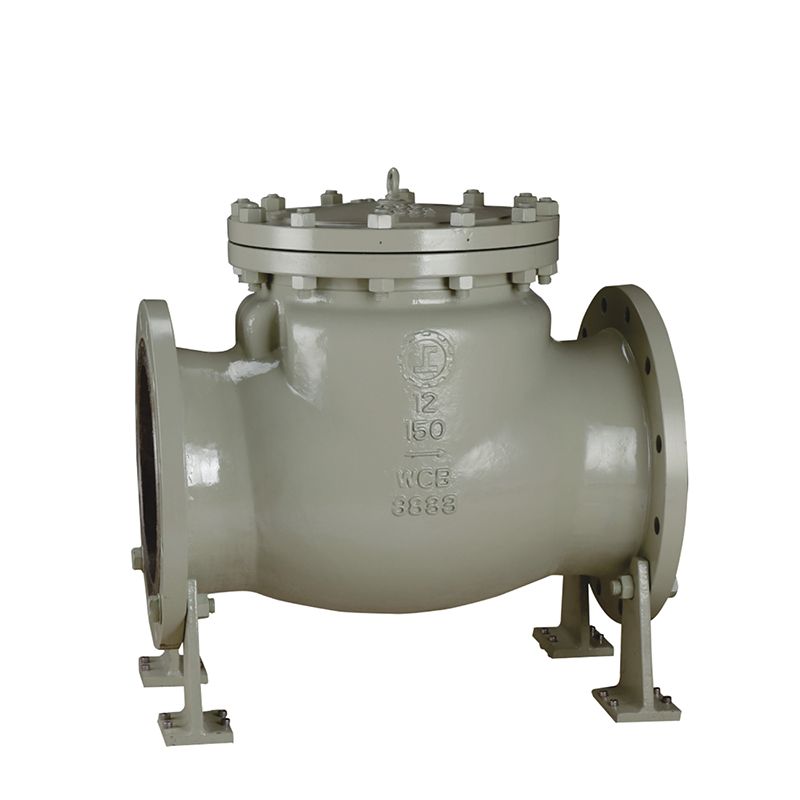
You must check pressure levels and fluid types. Also, check speed, temperature, and pipe direction. You need these steps to pick the right check valve. Engineers use a cast steel check valve often. It stops backward flow in pipes. It also protects big pumps from damage. However, picking the wrong valve causes dangerous problems. Bad choices cause loud water hammer issues. They also cause disc chatter and fast seat wear. Careful valve choices keep your pipes safe.
Key Takeaways
-
Pick special valve shapes for your system.
-
They must fit pressure, flow, and space limits.
-
Match steel types to fluid heat and rust.
-
This helps the valve last much longer.
-
Measure fluid speed and size very carefully.
-
This stops bad noise and damaging water hammer.
-
Check API and ASME safety certificates.
-
They ensure pipe safety and stop all leaks.
Cast Steel Check Valve Types for Industrial Piping
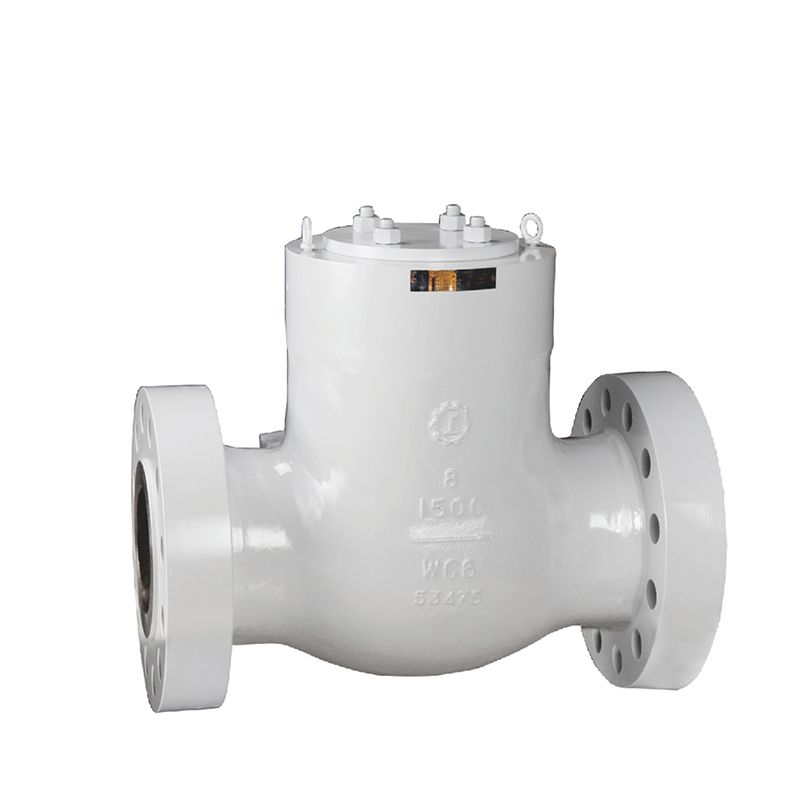
Choose the right valve. It keeps pipes working smoothly. Flow changes from smooth to rough. Smooth flow moves easily. Rough flow changes pressure fast. Match your pipe to the valve. Gravity needs level pipes. Some need upward flow. Springs work in any direction. TANGGONG VALVE makes many sizes. They fit many check valve types. This helps your system work well.
Swing Check Valves for High-Volume Flow
Swing valves use a hinged door. They handle big fluid flows. Smooth flow opens the door completely. This uses very little energy. But rough flow makes doors rattle. Use swing valves in level pipes. Gravity helps seal the door well. A standard check valve stops backflow. It works best in steady flows. These cast steel check valve choices work well. They fit power plants and refineries. Good setup protects your pumps.
Lift and Piston Check Valves for High-Pressure Lines
High-pressure lines need special valves. They block backflow very well. Forward pressure pushes valves open. Backwards force shuts them tight. Gravity helps these valves align. Install them on level pipes. Keep the top nut facing up. 50 Series valves handle big pressure. They work up to 6000 psig. They take heat to 900°F.
Y-pattern valves use tough steel. They resist heavy wear and stress.
-
Pressure Rating & Sizing: Handles Class 150 to 2500. Fits sizes 1/2 to 4 inches. Custom sizes are available too.
-
Sealing Mechanism: Uses line pressure to push pistons. This seals the seat very tightly.
-
Flow Dynamics: Y-shapes lower flow resistance. They stop rough fluid changes.
-
Startup Efficiency: Opens quickly with low pressure. Works fast during slow starts.
-
Structural Durability: Strong steel bodies resist damage. They handle heat and heavy stress.
|
Specification Category |
Operational Details & Pressure Limits |
|---|---|
|
Pressure Class Range |
Class 1690 to 4500 (PN 290 to 760) |
|
Size Range |
NPS 1/2 to 4 (DN 15 to 100) |
|
Alignment & Wear Control |
Guided parts stop bad alignment and wear |
|
Sealing & Flow Integrity |
Hard seats give positive shutoff. Good shapes stop pressure drops |
This strong piston valve works great. It handles steam and chemical feeds.
Dual Plate Wafer Check Valves for Compact Spaces
Tight spaces need small valves. Dual plate designs work very well. They fit right between pipe flanges.
-
Compact Wafer Design: Fits easily between pipe flanges. Saves space and lowers total weight.
-
Dual-Plate Mechanism: Uses two spring plates. They open under forward fluid pressure.
-
Rapid Backflow Prevention: Closes fast when flow stops. Blocks backflow and stops pressure surges.
Internal springs do not need gravity. They work inside vertical pipes easily. Strong steel bodies last long. They suit tough industrial tasks well.
Axial Flow Silent Check Valves to Stop Water Hammer
Axial valves offer top performance. They handle slow and fast flows. Short movement and springs act fast. They beat weakening flow forces quickly. Fast action stops reverse flow. It lowers dynamic pressure surges. This stops hard water hammer hits.
Silent check valves use strong springs. They shut silently before flow reverses. This removes water hammer risks.
-
Rapid Linear Closure: Axial valves move very short distances. They close faster than swing valves.
-
Proactive Response: Springs close the valve fast. This stops backward flow speed quickly.
-
Surge Reduction: Reduces pressure spikes effectively. Controls water hammer in fast systems.
|
Aspect |
Details |
|---|---|
|
Design Feature |
Short movement with a strong spring |
|
Closure Timing |
Seals silently when flow stops |
|
Pump-Trip Test Result |
Fast closure keeps safety pressure safe |
-
Proactive Closure Mechanism: Springs push discs quickly as flow slows down. They close before flow reverses.
-
Millisecond Dynamic Response: Light discs react in milliseconds. They handle fast flow changes easily.
-
Pipeline Protection Benefits: Fast closure stops water hammer. It prevents slamming and protects pipes.
Stainless springs improve total efficiency. They protect pipes during sudden stops. They suit water, booster, and oil systems. Choose these check valve types today. You will secure long pipeline safety.
Evaluate Steel Materials for Temperature and Media
Pick strong metals for fluids. TANGGONG VALVE offers safe metals. They match your system needs.
Carbon Steel WCB for General Industrial Service
Normal carbon steel valves suit liquids. They resist clean water well. This standard cast steel check valve works great. Use it below 425°C.
Low-Temperature Carbon Steel LCB and LCC
Cold fluids need tough steel. LCB steel needs cold tests. Testing uses -50 °F (-46 °C). It absorbs 20.3 J energy. Three test pieces prove strength.
|
Steel Grade |
Minimum Impact Testing Temperature |
|---|---|
|
ASTM A352 LCB |
-50 °F (-46 °C) |
|
ASTM A352 LCC |
-50 °F (-46 °C) |
These valves keep cold pipes safe.
Alloy Steel WC6 and WC9 for High-Temperature Duty
High heat hurts weak metals. Use alloy valves for heat.
|
Temperature Threshold |
Required Valve Grade |
Operating Rationale |
|---|---|---|
|
Below 425°C |
Carbon Steel (WCB) |
It handles mild heat well. |
|
425°C to 540°C |
Alloy Steel (WC6) |
It stops heat damage nicely. |
|
Exceeding 540°C |
Alloy Steel (WC9) |
It fights extreme heat daily. |
Special steel stops hot sagging.
Stainless and Duplex Alloys for Corrosive Media
Harsh chemicals ruin weak metal. Stainless steel valves stay safe. Tough jobs need 2205 duplex:
-
Hydrogen Sulfide-Rich Oil and Gas: Duplex outlasts 316 steel easily.
-
High-Temperature Strong Acids: Hot acids need duplex metal.
-
Chloride Ion and Hydrogen Sulfide Mixtures: Duplex fights rust very well. It beats 316L in seawater.
How to Select the Right Check Valve Sizing and Dynamics
Engineers must look past line size. They must study real fluid speeds. Matching parts improves total power.
Calculate Flow Coefficient Cv and Minimum Velocity
Calculate Cv to check pressure drops. Cv shows flow volume in open valves. Big valves cause bad problems. Low flow cannot lift discs completely. The disc floats and shakes badly.
💡 Technical Tip: Small valves block fluid flow. They waste pump energy fast. Good sizing balances low drops and smooth discs.
Find the lowest fluid speed early. TANGGONG VALVE gives useful engineering charts. Accurate math keeps discs open fully. Proper speed improves check valve performance.
Determine System Cracking Pressure Requirements
Cracking pressure opens the valve disc. Your design needs springs or gravity. Spring valves allow exact custom settings.
|
Feature / Mechanism |
Spring-Assisted Check Valves |
Gravity-Assisted Check Valves (Swing Check) |
|---|---|---|
|
Determining Factor |
Spring setting and flow direction |
Weight of flapper checking mechanism |
|
Customization |
Fits special tasks like 1/8 to 85 PSI |
Limited by natural flapper weight |
|
Application Preference |
Best when exact pressure choices matter |
Low flexibility due to gravity limits |
Systems need exact opening speeds. High pressure lines need custom springs. TANGGONG VALVE sets springs to exact limits. Correct spring tension keeps systems working well.
Prevent Disc Chatter and Dynamic Instability
Rough fluid creates hard pipeline problems. Standard swing valves chatter below 8 ft/s speed. Low fluid force cannot hold discs open. The disc shakes violently. This bad chatter ruins hinge pins fast.
Stop unstable movement with spring non-slam valves. TANGGONG VALVE uses non-slam technology in its cast steel check valve lines. Internal springs close discs very fast.
This quick action shuts flow before it reverses. Fast closure stops dangerous water hammer hits. Good check valves protect expensive pumps well. Advanced valve shapes ensure long pipeline safety.
Pressure Classes and End Connections
Pick the right pressure ratings. Choose good joint types. Correct choices stop leaks. They prevent total line failures.
Match ASME Pressure Ratings Class 150 to 2500
ASME rules set clear limits. They guide steel valve uses. Pressure ratings change body size. They control flange thickness limits. Standard Class 150 ratings handle simple tasks. Heavy Class 2500 ratings suit big energy lines. Match valve details to top system pressures. High pressure ruins weak valves. Always check needs before choosing cast steel valves.
Flanged RF, RTJ, and Weld End Configurations
Pick matching pipe ends for cast steel valves. Raised Face connections suit basic systems. Tough jobs need better seals. Pick Ring Type Joint connections for harsh uses:
-
High pressure lines over Class 600
-
Extreme hot heat past 1000°F
-
Heavy changing loads and quick heat shifts
-
Important deep underwater piping systems
Butt-weld ends seal steel valves permanently into lines.
Wafer and Lug Styles for Space Optimization
Small spaces need special ends. Wafer options fit between pipe flanges. This small design cuts total line weight. Lug options help during pipe repair work. Both small styles fit ASME rules easily. TANGGONG VALVE builds compact steel valves well. Pick these small valves to save room safely.
API Check Valve Quality Standards and Compliance
Pick good rules. They protect steel pipes. Standards guide design rules. They set wall size limits. They control raw metal choices. Safe steps protect equipment.
API 594, API 6D, and ASME B16.34 Design Criteria
Clear standards control factories. They shape industrial parts well. Compare these core standards:
|
Design Feature |
API 594 |
API 6D |
ASME B16.34 |
|---|---|---|---|
|
Primary Scope |
Compact process plant check valves |
Pipeline transmission systems |
Universal pressure ratings & structural integrity |
|
End Connection Styles |
Wafer and lug patterns |
Flanged, butt-weld, compact, wafer |
Flanged, threaded, welded, and wafer ends |
|
Pressure Class Range |
Class 150 to Class 2500 |
Class 150 to Class 2500 |
Class 150 up to Class 4500 |
ASME B16.34 sets pressure limits. It covers different metals. API 6D uses these tables. They help long pipeline networks. Steel bodies give great strength. API 594 saves space.
API 598 and ISO 5208 Pressure Testing Standards
Tests prove real performance. Do tests before installing valves. Inspectors check shell strength. They verify tight seats carefully.
|
Test Type |
API 598 Standard |
ISO 5208 Standard |
|---|---|---|
|
Shell Testing |
Requires zero visible leakage through the pressure boundary. |
Requires zero visible leakage through the pressure boundary. |
|
Seat Testing |
Uses a binary PASS/FAIL criteria without measuring exact rates. |
Employs graded leakage Classes (A through G) based on measured rates. |
Techs test every body shell. Testing prevents system failures. API 598 needs pass results. ISO 5208 sorts seat leaks. It uses clear classes.
Quality Control Certifications for Critical Service
TANGGONG VALVE tracks total quality. They check all cast metal. Sound tests spot hidden cracks. They find deep inner flaws.
|
NDT Protocol |
Target Flaws |
Application Area |
Acceptance Standards |
|---|---|---|---|
|
Ultrasonic Testing (UT) |
Subsurface defects, internal porosity |
High-pressure steel bodies |
ASME Section VIII standards |
|
Dye Penetrant (DPT) |
Surface-breaking cracks, porosity |
Machined steel seating areas |
ASME B16.34 standards |
Welders add Stellite coatings. Stellite 21 stops heavy hits. It stops bad gas leaks.
Global groups certify operations:
-
ISO 9001:2015: Guarantees total quality control.
-
API 6D and API 594: Proves legal valve designs.
-
CE, TUV, and SGS: Confirms third-party safety testing.
Certificates prove high valve quality. They meet strict plant standards.
Pick proper cast steel check valves. This step protects pipes. Check real pressure and heat first. Watch fluid speeds too. Review key details to keep pipes safe:
|
Parameter |
Evaluation Criteria |
|---|---|
|
Design & Size |
API 6D / ½ to 12 inches |
|
Pressure & Temp |
ASME B16.34 / -20°C to 200°C |
TANGGONG VALVE offers silent designs. Certified quality protects pumps well.
Check these key guides before picking valves:
-
ASME B16.34 rating limits
-
Material pressure and heat charts
-
Fluid speed size math
Work with top valve makers. They offer great safety. They bring real value to pipes.
FAQ
How do you pick check valve types?
Check flow speed, media, and pipe direction. Swing valves suit big level pipes. Spring wafer styles fit small upright spaces. TANGGONG VALVE makes certified valves. They meet top API and global rules.
Why match ASME pressure ratings and connections?
It stops bad body leaks and joint breaks. Correct pressure ratings keep valves strong. The right flanged or welded end ensures alignment. TANGGONG VALVE tests all pressure ratings. They follow API and ISO rules.
What quality standards protect your pipes?
Strict API and ASME rules ensure quality. TANGGONG VALVE holds ISO 9001 certificates. We test every single check valve. We follow strict API and ISO rules. These steps stop bad backflow. They block water hammer damage completely. They also make valves last longer.
Can you put check valves in vertical pipes?
Yes, you can install certain valves upright. Piston and dual-plate wafer valves use springs. These springs close the valve very fast. They work without needing gravity at all. They give a very reliable connection. Upward flow pipes stop backflow easily.