



When comparing ductile iron to cast iron for today's water systems, ductile iron is the better choice. Its special graphite structure gives it much higher strength and flexibility under heavy stress. This tough material easily handles strong water hammer and sudden, intense liquid shocks without breaking. So, choosing a strong ductile iron check valve ensures great performance during unexpected pressure spikes. On the other hand, classic gray cast iron valves are a cheaper choice for low-pressure, still-water pipes. TANGGONG VALVE brings more than 36 years of expert building experience to your water piping project. We make every industrial check valve using strict API 594, API 6D, and ISO 9001 quality rules.
Key Takeaways
-
Ductile iron provides better strength and bendability to stop unexpected pipe breaks when water pressure suddenly rises.
-
Spring-assisted non-slam check valves close fast to prevent water hammer and keep piping networks safe.
-
Ductile iron check valves last over 100 years and lower future repair expenses.
-
Cast iron check valves offer a low-cost choice for low-pressure gravity pipes and wastewater systems.
Ductile Iron vs Cast Iron Microstructure
To compare ductile iron and cast iron for water pipes, look at their inside structure. Small chemical changes made while melting the metal alter how carbon forms in both materials. Standard cast iron valves have uneven, linked graphite flakes. In contrast, ductile iron features tight, round graphite balls.
Graphite Flakes vs Nodular Graphite
Tiny structural views show big differences in how each material handles high pressure. You can see how these distinct shapes change valve performance in the chart below:
|
Material |
Graphite Morphology |
Key Characteristics |
Tensile Strength (MPa) |
Elongation (%) |
|---|---|---|---|---|
|
ASTM A536 Ductile Iron |
Compact, spherical nodules |
Minimizes stress concentration; superior ductility |
414–700 |
2–18 |
|
ASTM A126 Gray Cast Iron |
Irregular, interconnected flakes |
Creates internal stress points; leads to brittle fracture |
150–300 |
<1 |
sharp graphite flakes create stress concentration points within the metal matrix, whereas rounded nodules in ductile iron inhibit the creation of cracks
Round carbon balls work as strong crack stoppers inside the main valve body. Adding chemicals like magnesium changes loose carbon into smooth spheres during casting. These tiny balls stop cracks from spreading easily through the metal.
Mechanical Strength and Tensile Yield
Real physical traits show which valve material handles sudden water surges best. Gray cast iron valves hold up well against heavy crushing forces. Yet, they offer no real yield strength and snap quickly under stretching forces.
Choosing strong ductile iron parts gives your pipeline much better power and durability. Pulling tests prove that ductile iron bends safely long before it breaks.
yield = good units / total units x 100
Greater yield strength and stretch dynamic give ductile iron amazing total toughness. Better physical traits let the metal bend a bit during sudden hard impacts. This natural flex keeps your water lines safe from dangerous pipe bursts. Learning these key material differences helps you select the best valve for busy water systems.
Performance and Durability Under Hydraulic Stress
Water lines handle constant daily demands and sudden pressure changes. You need tough valve setups to keep city or industrial systems running smoothly without unexpected shutdowns. TANGGONG VALVE builds strong high-pressure valves that absorb heavy fluid shocks and safeguard downstream gear. Learning how different designs handle tough pressure spikes helps you pick the correct valves for busy water lines.
Hydrostatic Pressure and Surge Capacity
Water mains often face sudden pressure spikes when pumps start quickly or valves shut fast. Picking the right body material decides if your pipe network survives these sudden fluid events. Ductile iron provides great strength and flex under heavy physical strain during major surge events.
Unlike cast iron, which is brittle, ductile iron contains nodule-shaped graphite, giving it exceptional ductility—allowing it to bend without breaking.
This natural flexibility stops dangerous body breaks during big pressure surges inside city water systems. By contrast, plain gray cast iron lacks helpful stretch ability and snaps quickly when liquid pressure passes safe working limits.
TANGGONG VALVE makes ductile iron valves that manage tough working pressures from Class 150 up to Class 2500 levels. Technicians perform careful hydrostatic testing on each valve following firm API 598 and ISO 5208 quality rules. These global testing steps check seat seals, valve performance, and body strength before leaving the factory. Choosing tested ductile iron parts gives your piping strong protection against sudden pressure jumps. Great metal flexibility brings reliable operation and long life through years of tough daily service. High material density also stops small stress cracks from growing under repeated pressure changes.
Water Hammer and Flow Reversal Response
Water hammer forms risky shock waves when liquid flow flips direction fast inside a piping system. Classic swing check valves use gravity and reverse flow to force the inner disc shut. That slow action lets backward fluid speed grow fast, creating a sudden disc slam that shakes the whole pipe frame. These repeated hits loosen pipe joints and drive up upkeep costs over time.
TANGGONG VALVE stops this damaging problem by using smart non-slam check valve styles built with inner spring support. Non-slam spring-assisted check valves reduce water hammer by using a spring to close the disc quickly and smoothly before reverse flow can develop. This controlled closure prevents abrupt pressure spikes, unlike traditional swing check valves that rely on gravity and reverse flow, causing delayed and abrupt closure leading to water hammer. The spring-assisted closure ensures rapid response to flow changes, minimizing the risk of sudden fluid reversal and hydraulic shock.
Your system gets steady operation since the mechanical spring fights disc weight right away when forward flow halts. Reducing mechanical shock lengthens the working life of nearby pipes, flange gaskets, and line pumps. TANGGONG VALVE designs high-pressure valves specifically to keep steady pressure levels across changing flow rates. Good valve choices prevent pricey frame repairs and keep water moving continuously through your whole supply system. Best disc placement keeps flow resistance low while shielding upstream pumps from harmful backflow forces.
Ductile Iron Check Valve Operating Advantages
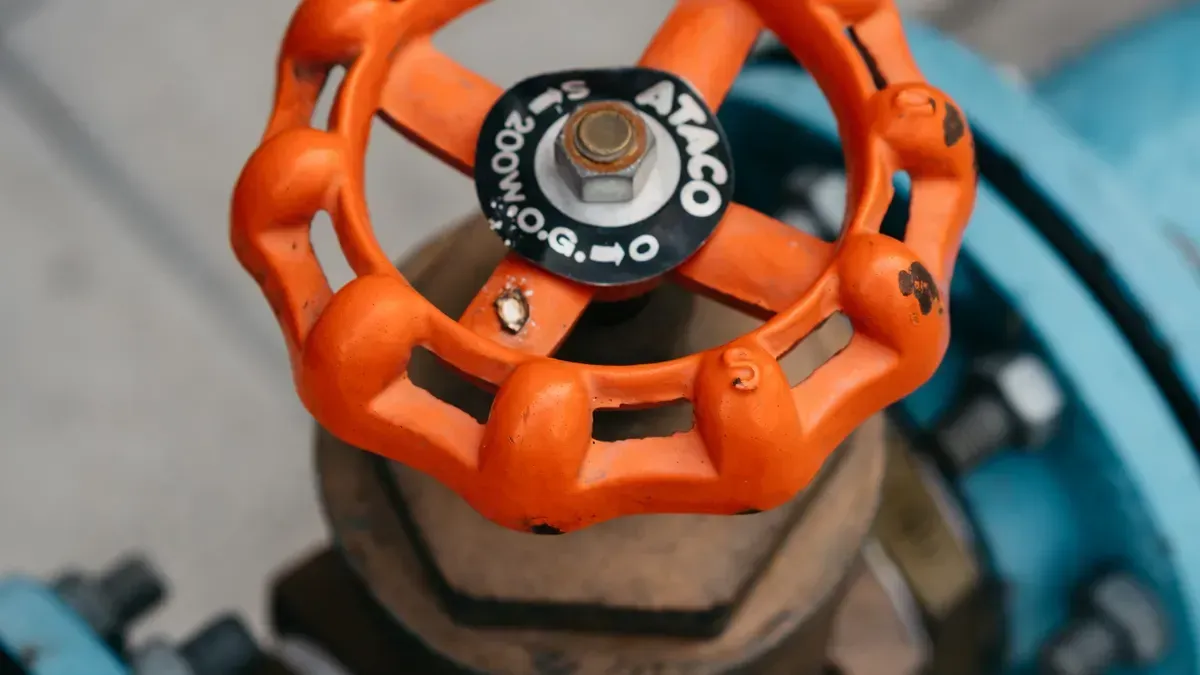
You gain major mechanical benefits when you deploy a ductile iron check valve in your water main. The underlying differences between iron grades directly impact long-term pipeline safety and operating budgets. Modern water networks require high failure resistance to maintain continuous service under shifting flow demands.
Transient Shock and Cracking Resistance
You protect your piping infrastructure from unexpected pressure spikes by selecting the proper valve body material. High hydraulic shock destroys brittle metals quickly during pump trips or rapid closure events. Ductile iron provides the mechanical strength and toughness needed to absorb severe fluid impacts without shattering.
impact energy absorbed = material toughness x stressed volume
High yield strength combined with high impact toughness prevents brittle body fractures during sudden transient shock events.
This superior toughness stems directly from the nodular carbon structure within the metal matrix. You avoid costly line ruptures because the material yields slightly under extreme physical strain. Each valve handles heavy mechanical loads while maintaining complete structural integrity over time.
Corrosion Protection and Internal Linings
You extend system operational life by matching tough metal bodies with advanced protective linings. Uncoated iron surfaces degrade rapidly when exposed to aggressive raw water or treatment chemicals. Superior internal corrosion resistance preserves fluid purity and prevents tuberculation inside municipal water mains.
You can select high-performance internal linings that meet strict potable water safety standards:
-
Cement mortar lining per ANSI/AWWA C104/A21.4 provides long-lasting chemical defense for internal valve passages.
-
Fusion-bonded epoxy coating per ANSI/AWWA C116/A21.16 delivers a smooth protective barrier against aggressive fluid wear.
-
Both factory lining options carry full ANSI/NSF 61 certification, verifying complete safety for public drinking water applications.
You secure reliable long-term performance by combining strong external metal structures with certified protective coatings. These integrated defense layers stop surface rusting and maintain low friction loss across the entire disc passage. Consequently, a properly lined ductile iron check valve keeps your drinking water clean while reducing long-term pumping energy costs.
Durability and Service Life Analysis
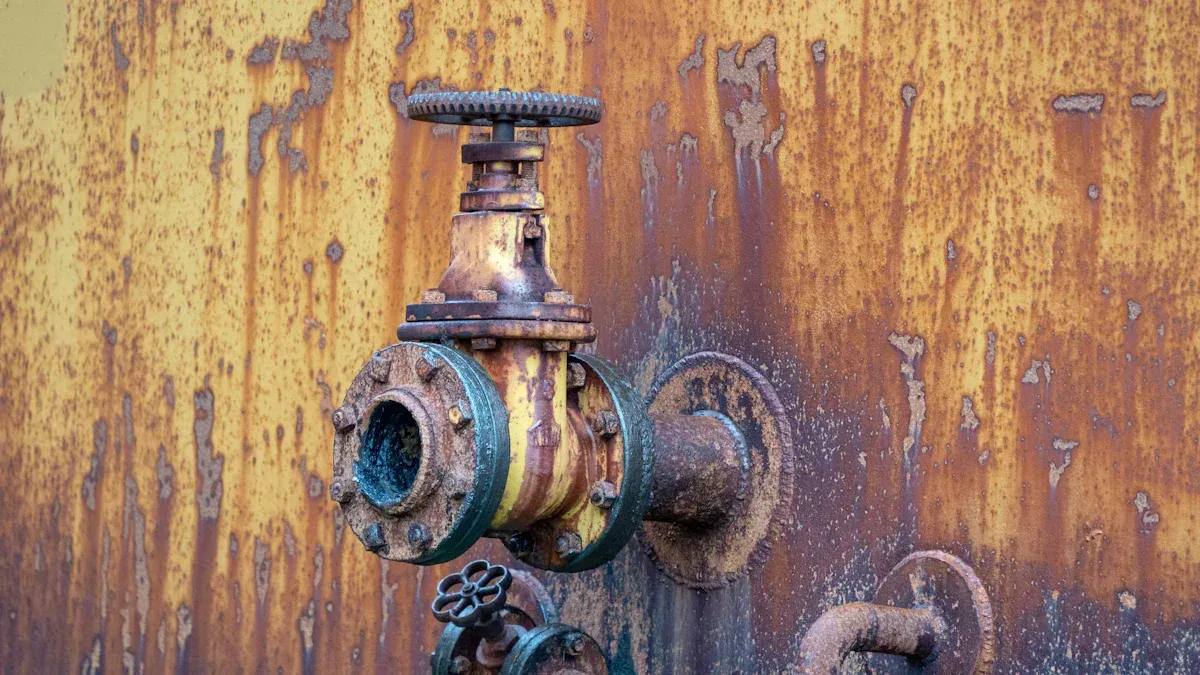
Failure Modes in Dynamic Water Mains
Active water pipes expose pipeline parts to fast pressure hits and steady working shakes. Regular gray cast iron breaks fast under these tough moving forces. The stiff metal frame cracks when shock waves strike the line, causing sudden body breaks and pipe floods. You prevent these sudden total breaks by picking ductile iron valves. This bendable material flexes safely under physical load, giving better overall strength across all town water lines.
Strong water surges also harm long-term running safety throughout town water pipes. Tiny inside flaws in brittle metals grow into huge cracks over time. Ductile iron offers great break protection during sudden pump stops and backwards flows. It absorbs heavy sudden hit energy while holding the inside valve seat perfectly straight. You safely defend main pump stations against sudden wear failures.
Total Cost of Ownership and Maintenance
Looking at starting parts costs alone shows an unfinished view of full system prices. Regular gray cast iron costs less during first buying steps. Still, brittle iron needs constant fixes and quick pipe swaps. You get maximum valve lifespan by buying better ductile iron builds. Truly, ductile iron parts last over 100 years in town pipe systems. This massive strength and long life greatly cuts your overall spending costs.
|
Evaluation Criteria |
Gray Cast Iron Check Valves |
Ductile Iron Check Valves |
|---|---|---|
|
Initial Expenditure |
Low initial purchase cost |
Moderate initial procurement cost |
|
Operational Duration |
Short system longevity in dynamic mains |
100 years service duration in municipal mains |
|
Internal Lining Options |
Basic paints or thin liquid epoxy |
Factory cement mortar or fusion-bonded epoxy |
Inside protective covers also boost overall toughness and operational lifespan in clean water pipes. Factory covers like cement mortar linings per ANSI/AWWA C104/A21.4 boost inner rust defense against harsh raw water. Fusion-bonded epoxy coatings per ANSI/AWWA C116/A21.16 block rust and stop rough bumps inside the valve body. These shield layers keep liquid clean and maintain smooth inner water paths. Learning these real material changes helps you improve your overall working budget. Great rust defense guards valve worth while boosting total valve lifespan.
TANGGONG VALVE Specification Guide
High-Surge Municipal Transmission Mains
You need to check system pressure changes when choosing parts for town supply pipes. Fast-moving pump stations create heavy pressure jumps when they turn off fast. Because of this, active city pipes need a tough ductile iron check valve to take in big liquid shock waves safely. This strong metal bends under high pressure jumps without cracking or breaking under heavy dynamic structural loads.
TANGGONG makes high-pressure valves based on API 594 and API 6D international quality rules. You can pick spring-assisted non-slam disc parts built to stop bad liquid surges and dangerous backflow risks.
|
Transmission Main Parameter |
Technical Specification |
|---|---|
|
Recommended Shell Metal |
ASTM A536 Ductile Iron |
|
Pressure Rating Options |
Class 150 to Class 2500 |
|
Standard Design Compliance |
API 594, API 6D, ASME B16.34 |
This careful ductile iron vs cast iron material choice stops major pipe breaks in hard valve jobs. You defend key pump equipment, lower pipe fixes, and keep steady water flow across city supply grids.
Low-Pressure Gravity and Drainage Lines
Low-pressure gravity water pipes face very different physical stress than high-pressure forced lines. Gravity pipes work with small pressure shifts, steady heat levels, and slow water speeds. Because of this, traditional cast iron valves give a cheap option for low-pressure still gravity systems, farm watering channels, and rain drainage pipes. This cheaper metal easily holds normal resting water weight without wasting money on your starting build budget.
You must still choose the right metal using water chemistry, flow speed, and target system lifespan goals. Raw inner metal faces take heavy rusting and pitting damage from harsh waste or dirty raw water. TANGGONG sells factory fusion-bonded epoxy coatings matching ANSI/AWWA C116 rules to guard water paths from rust wear. Picking the right protective layer brings easy flow, lower pressure loss, and long valve life across city pipe jobs and business water systems.
Selecting the right body material determines pipeline safety and service life. When reviewing ductile iron vs cast iron, ductile iron provides superior flexibility and shock resistance. ASTM A536 ductile iron delivers 12% elongation and absorbs heavy water hammer without shattering. Conversely, gray cast iron offers less than 1% elongation. Ductile iron costs 15–30% more initially, but this material prevents sudden pipe bursts during severe pressure surges. TANGGONG VALVE manufactures a complete portfolio of durable check valve solutions certified to API 594 and API 6D standards. You protect global municipal water lines by specifying a ductile iron check valve. You must prioritize total lifecycle performance over initial procurement costs.
FAQ
What are the main mechanical differences between ductile iron and cast iron?
Ductile iron uses round carbon balls, making it strong and flexible. Gray cast iron uses carbon flakes, so it breaks easily. Because of this, ductile iron flexes under quick liquid shock without cracking, while gray cast iron snaps fast during sudden pressure spikes.
Can you install cast iron valves in high-pressure municipal water lines?
You should not put normal cast iron valves into high-pressure water pipes. These lines face frequent pump surges and strong liquid shock. Instead, you need flexible ductile iron check valves to absorb heavy shock waves and stop sudden valve breaks in main pump stations.
How does a spring-assisted check valve prevent water hammer?
A spring-assisted non-slam check valve shuts its disc right as forward flow stops. The inside spring forces quick closing before backward flow can build up. This fast action stops hard disc slamming, blocks liquid shock waves, and protects your nearby piping tools.
What is the expected service life of a ductile iron check valve?
You can count on a well-installed ductile iron check valve to last over 100 years in city water lines. Factory covers like cement mortar or smooth epoxy coatings block inside rust, keeping water moving easily and holding the metal frame strong over time.