



You choose the best butterfly valve for hard jobs.
First, match the offset geometry to your pressure ratings.
Very hot systems need a triple-offset design.
This design stops mechanical friction and seat leakage.
Cold, harsh liquids need high-performance double-offset sealing instead.
Picking a zero leakage butterfly valve guarantees top performance.
It follows ISO 5208 Rate A rules.
These rules demand zero bubble leakage.
Next, API 598 limits liquid leakage.
Also, ANSI/FCI 70-2 Class VI controls gas leakage.
Your choice depends on material compatibility and Cv flow sizing.
It also needs the right dynamic torque.
Follow regulatory standards to stop line leakage and stem leakage.
This also stops system leakage.
A good butterfly valve keeps operations safe.
Key Takeaways
-
Pick triple-offset valve designs.
-
They stop seat wear in hot systems.
-
Match seat materials to fluid heats.
-
This prevents internal seat leakage.
-
Find dynamic torque the right way.
-
This helps size actuators for smooth movement.
-
Check ISO 5208 Rate A standards.
-
They guarantee bubble-tight sealing performance.
-
Choose API 607 fire-safe certified valves.
-
They keep plants safe during emergencies.
Selecting the Right Zero Leakage Butterfly Valve Mechanism

Resilient-Seated and Double-Offset Designs
You must pick valves carefully. Match mechanics to process limits. Standard concentric valves handle lower pressure. High-performance double-offset designs handle higher needs. Triple-offset types isolate extreme systems. They stop seat wear.
|
Valve Mechanism |
Maximum Pressure Limit |
Operating Temperature Range |
|---|---|---|
|
Zero-Offset (Concentric) |
Class 150 (16 bar) |
-20°C to 120°C (-4°F to 248°F) |
|
Double-Offset |
Class 300 (PN40) |
Up to 260°C (Soft) / 400°C (Metal) |
|
Triple-Offset |
Class 900 / Class 1500 |
Up to 815°C (1500°F) |
This strong design stops seat leakage. It works under changing heat.
Triple-Offset Mechanics and Non-Rubbing Camming
Engineers build triple-offset butterfly valves. They use special cone shapes. Three offsets stop seat friction:
-
Offset 1: Shaft sits behind seats. It clears the path.
-
Offset 2: Shaft stays off center. It moves smoothly.
-
Offset 3: Angled cone shape creates easy contact.
This smart shape stops dangerous dragging. It works during movement. The smooth action stops all leaks. It makes tight seals both ways. You protect your system long term. Use it in hot places. Avoid seat leakage completely.
Engineering Note: Smart design turns turning motion into smooth action. The flexible seal touches seats only at the end.
Bi-Directional Zero Leakage Rubber Lined Butterfly Valves
Harsh pipe systems need good protection. You can use bi-directional zero leakage rubber lined butterfly valves. They block strong chemicals. Experts make strong bi-directional zero leakage rubber lined butterfly valves. They use thick rubber linings. These bi-directional zero leakage rubber lined butterfly valves stop line leakage. They also stop body rust. Quality bi-directional zero leakage rubber lined butterfly valves work very well. They stop stem leakage. They also stop system leakage and fluid leakage. They work in any flow direction.
Critical Operating Parameters and Process Mapping
Match process rules to real valve designs. Big pressure changes hurt safety. High heat damages weak parts. Harsh chemicals destroy poor materials. Pick right valves for safe system cutoff.
Temperature Limits from Cryogenic to Extreme Heat
Liquid heat levels change your seat choice. Cold tasks at -320°F need strong cryogenic discs. Soft seals crack in cold cold. Very hot pipes need hard metal seats.
|
Valve Seat Configuration |
Maximum Operating Temperature |
|---|---|
|
Standard Stainless Steel & Graphite Laminated |
Up to 1000°F (538°C) |
|
Solid Metal Seats & High-Temp Alloys |
Up to 1500°F (815°C) |
A metal-seated zero leakage butterfly valve stops heat wear. This setup stops inner leakage in big heat.
ANSI Class 150 to Class 600 Ratings
Piping force controls body strength and turning power. Soft seats suit low pressure pipes. Heavy plants need double-offset designs for Class 150 to Class 600 jobs. High ratings block shell leaks and seat wear. Strong flow force creates heavy push. You need big motor drives to stop leaks.
Slurry, Toxic, and Hazardous Media Containment
Bad acids, dirt, and chemicals cause big harm. Factory plants must stop nature leaks. A zero leakage butterfly valve holds dangerous liquids safely.
-
Corrosive Acids: Hard SS316 discs with full PTFE coats block chemical rust.
-
Abrasive Slurries: Tough EPDM rubber seats block rough dirt. Heavy mud needs extra drive force to turn.
-
Hazardous Gases: Tight stem seals stop gas leaks into open air.
Good material choices stop valve leaks fast. They protect plant tools for long service.
Material Engineering for Severe Applications
Match valve materials to your fluid types.
Good choices stop internal leakage.
They make valves work well under stress.
Laminated Metal-to-Metal vs. Polymeric Seats
Fluid heat shapes your seat pick.
PTFE and RTFE fight acid wear well.
EPDM and NBR rubber handle water tasks.
Soft seats stop seat leakage in cold lines.
Hot steam needs metal seats instead.
Steel and graphite seats block hot leaks.
This build prevents thermal leakage in harsh jobs.
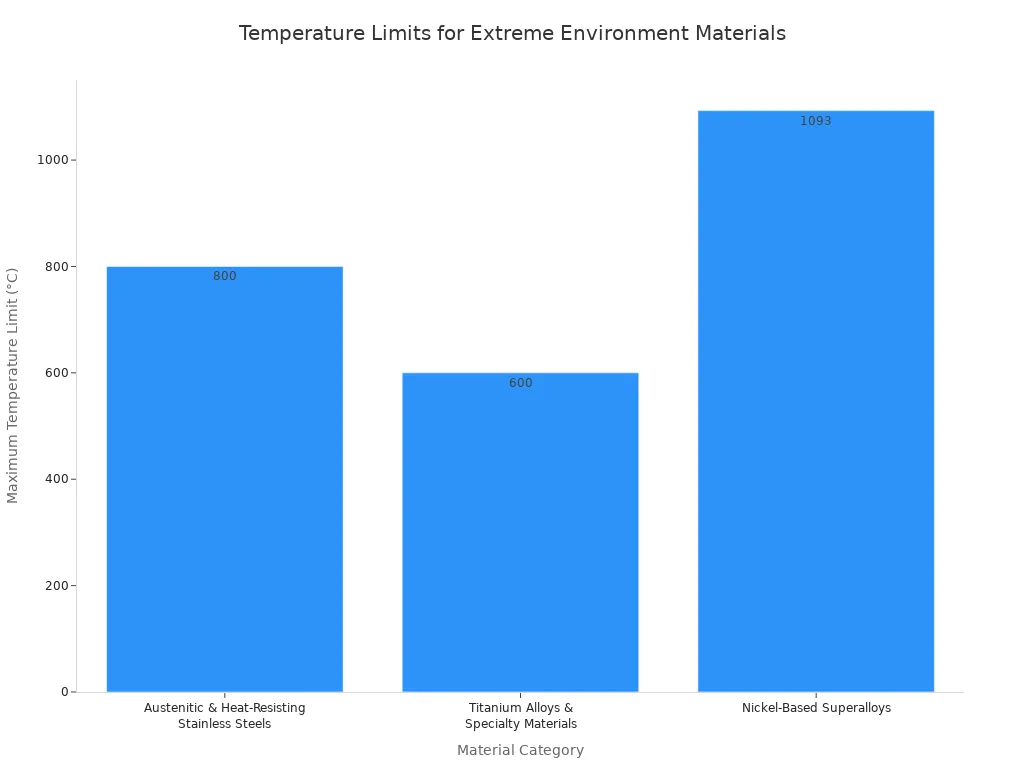
Corrosion-Resistant Body and Disc Alloys
TANGGONG VALVE builds strong valve bodies.
Carbon steel works for plain pipes.
Stainless steel handles harsh liquid chemical flow.
Sea lines need Duplex steel or Inconel.
These metals block pitting and rust cracks.
|
Material Grade |
Corrosion Performance Characteristics |
Recommended Operational Environments |
|---|---|---|
|
Carbon Steel (WCB) |
Basic strength; lacks alloy corrosion protection |
Standard utility lines |
|
Duplex SS (2205/2507) |
High structural durability with chloride resistance |
Desalination and marine piping |
|
Inconel 718 |
Superior resistance to extreme oxidation and acids |
High-temperature severe service |
Hardfacing Overlays and Fugitive Emissions Packing
Fast fluid flow ruins seal faces quickly.
It also brings early leakage.
Stellite coatings protect disc edges from wear.
This layer blocks seat leakage.
It keeps sealing smooth and reliable.
Note: Live-loaded graphite packing stops external fugitive leakage. Belleville washers squeeze the stem seals tight. This setup boosts overall valve performance. It gives long service in top jobs.
TANGGONG VALVE uses super smooth stems.
Smooth parts lower packing wear.
This design controls external leakage well.
It boosts valve performance in daily work.
You keep workers safe from gas leakage.
Flow Sizing, Hydrodynamics, and Actuation Logic
Flow Coefficient Cv Optimization and Pressure Drop
Find the exact Cv value for your valve. Correct sizing keeps high flow without big pressure drops. Small valves slow fluid down. They raise structural leakage risks. Big valves cost more money. They mess up smooth flow. Good sizing moves liquid safely.
Cavitation, Velocity Limits, and Flashing Control
Fast liquids make tiny bubbles near discs. These bubbles pop hard. They cause bad metal wear. Check pressure drop ratios during early design. This stops valve cavitation. Controlling speed stops internal seat leakage. It also stops stem leakage. Good materials cut noise. They boost valve performance in hard jobs.
Dynamic Torque Calculations and Actuator Sizing
Motors need power for heavy fluid force. Breakaway torque needs strong force to open discs. Dynamic torque hits top levels at 70° open. Fast liquid makes uneven loads on discs.
Peak Dynamic Torque = Unbalanced Fluid Dynamics Asymmetric Flow Velocity
High differential pressure boosts torque 6 times over normal. Pipes near pumps make turbulence. This causes big torque spikes. Calculate top torque to stop mid-stroke stalls. Proper sizing stops valve failure. It controls fluid leakage well.
Emergency Shutdown ESD and Fail-Safe Integration
ESD systems need good shutoff during outages. Set up actuators for fast safe action. Quick closing stops pressure surges. It cuts total system leakage. Right valve sizing brings top safety. Good actuator setups keep work reliable. They boost valve performance. Right sizing stops bad chemical leakage.
Standards Compliance and TANGGONG VALVE Quality Verification
Always check valve rules before plant installation.
TANGGONG VALVE builds valves in big factories.
These factories meet strict international standards.
Our team holds many national patents.
We hold ISO 9001:2015, CE, and TUV credentials.
API 609 Design Standards and Pipeline Geometry
API 609 sets essential sizes for pipes.
Category A covers simple rubber-seated valves.
Category B covers high-performance offset models.
These models follow ASME B16.34 and EN 593 rules.
|
Standard Category |
Seat Design Type |
Pressure Ratings |
Face-to-Face Profile |
|---|---|---|---|
|
Category A |
Resilient Rubber / EPDM |
Class 150 |
Compact / Short Wafer |
|
Category B |
PTFE / Metal Composite |
Class 150 to Class 600 |
Extended Flanged / Lug |
Category B uses longer body shapes.
This shape handles heavy pressure force.
Matching shapes stops alignment stress.
It also prevents seat leakage inside.
API 607 Fire-Safe Sealing Protocols
Refineries need fire-safe valves for safety.
These valves hold flammable fluids during fires.
API 607 tests hit closed valves with flames.
Flames reach 1400°F (760°C) for 30 minutes.
TANGGONG VALVE builds metal back-up seals.
They work if soft seats burn away.
Safety Standard: Testers check stem leakage and seat leakage while cooling. Passing tests shows true strength under fast heat changes.
API 598 and ISO 5208 Leakage Testing
Every zero leakage butterfly valve gets factory tests.
API 598 orders water and gas tests.
ISO 5208 Rate A demands zero bubbles.
-
Material Verification: PMI tests confirm real metal content.
-
Traceability: EN 10204 3.1 papers prove metal strength.
-
Shut-off Verification: Two-way pressure tests prove tight seals.
Our tests stop seat leakage quickly.
They stop stem leakage and system leakage too.
You get top safety on critical lines.
Follow a simple five-step plan to pick good valves. First, choose triple-offset shapes that fit your pipes. Next, check seat materials to block seat leakage. Correct actuator torque and Cv sizes stop stem leakage. Lastly, complete compliance testing to stop all line leakage.
TANGGONG VALVE brings 36 years of valve experience. We make API 607 certified zero leakage butterfly valve models. These valves handle tough jobs from DN40 to DN3000. Our engineers create smart tools for major projects worldwide. Trust our proven butterfly valve products to secure pipes.
FAQ
What is a triple-offset butterfly valve design?
Triple-offset valves use three special geometric shapes. This smart design creates a smooth cone seat contact. It stops mechanical wear while turning. You get true zero-leakage shutoff in high-heat systems.
What are common applications for zero leakage valves?
You install these strong valves in high-pressure pipes. They work in chemical plants and oil refineries. Power plants and cryogenic services use them too. Harsh systems need total liquid containment for plant safety.
How do you verify proper valve selection for severe service?
Match pipe heat and pressure limits to seat materials. Choose metal seats for hot systems. Pick soft seats for chemical lines. Always check ISO 5208 Rate A rules. This step guarantees bubble-tight performance.
Why is correct actuator sizing crucial for zero leakage performance?
Right sizing stops motor stalls during high force changes. Calculate top flow forces at 70 degrees open. Correct power ensures smooth, easy operation. It also keeps tight seals under high pressure drops.